
Commercial Chiller Care
Commercial Chiller Service & Repair in New Bern, NC
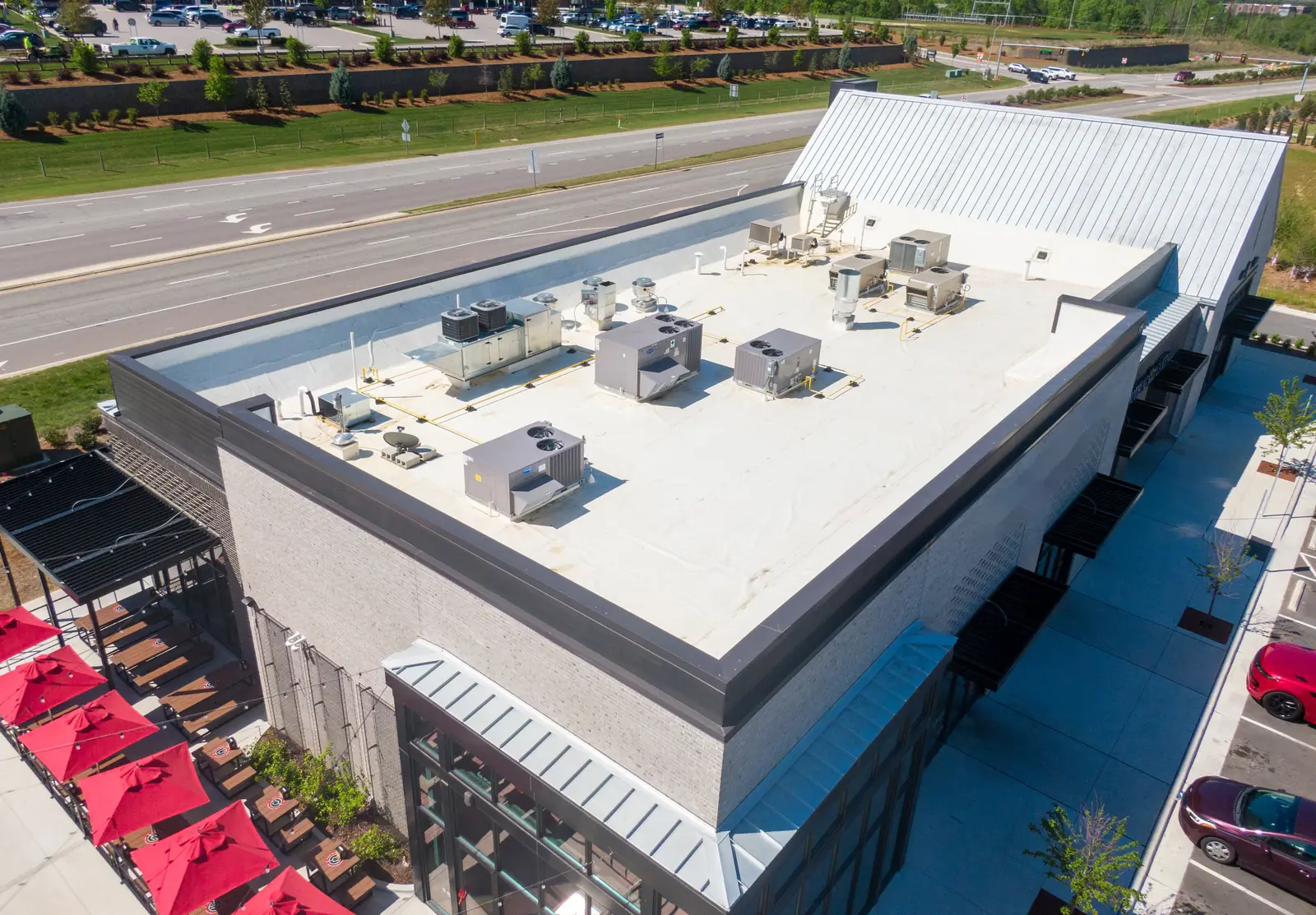
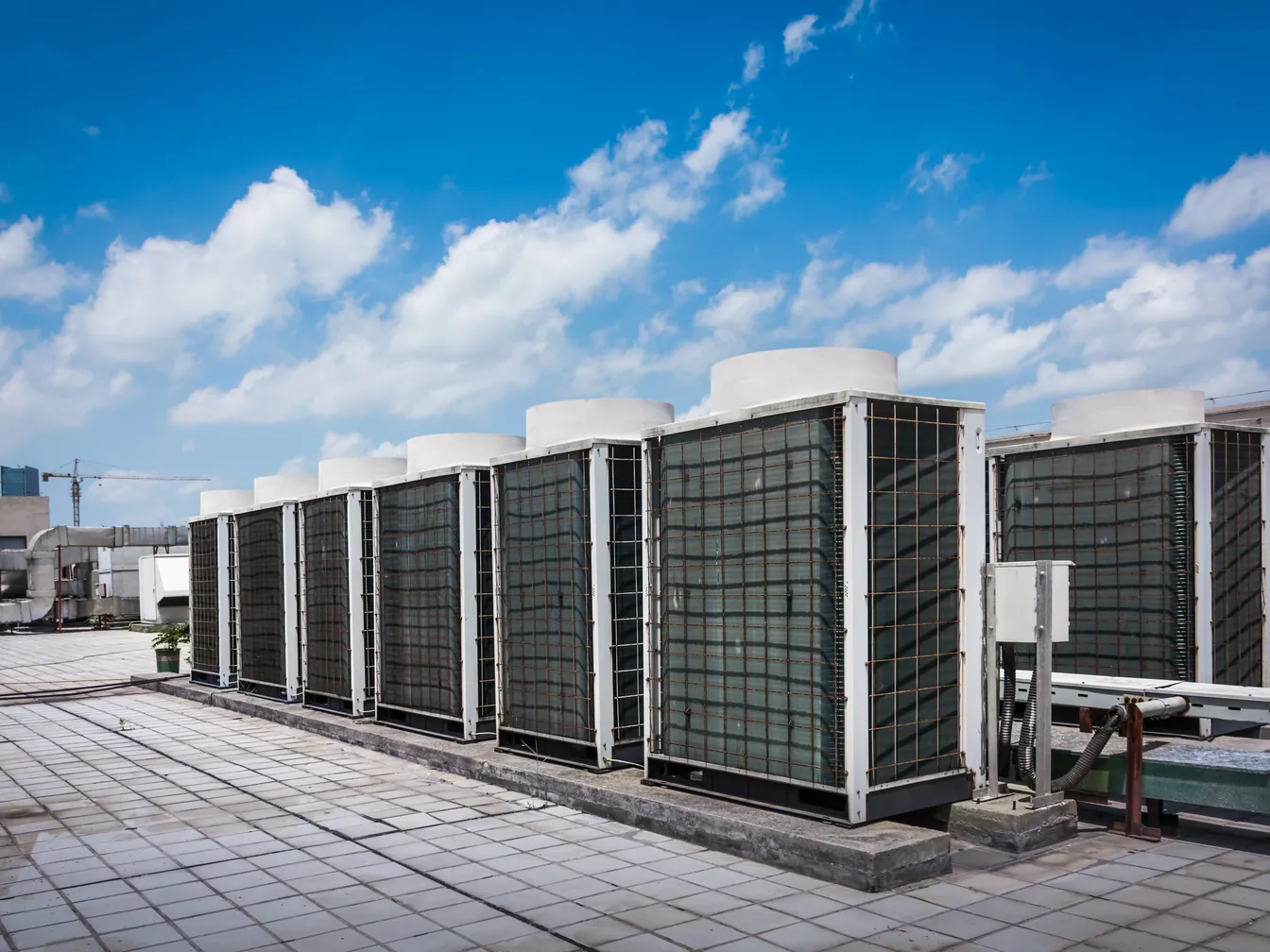
GP Heating & Cooling is a family-owned and locally-owned company based in New Bern, NC. Our commercial team services and repairs chillers that cool your building. We maintain and repair the chillers already in place at your property, and we do not install or replace them. Each visit begins with the controls and safety protections, then moves through the refrigerant circuit, compressor and chilled water flow, ending with plain-language findings. Backed by 22 years of experience, we recommend only the work your equipment needs.
Our Chiller Approach
Six Commitments Behind Every Chiller Visit
A chiller carries cooling for an entire building through its hottest weeks, so the way we approach the work matters as much as the repair itself. These commitments guide every chiller call we take.
Family ownership that stays with your account
Our company is family-owned, so the people who schedule your chiller visit are the people who answer for the findings. A chiller can serve a building for many years, and that relationship depends on a company that stands behind its diagnosis. Our About Us page describes our background in more detail.
Controls and protections verified before tuning
We check the safety protections and controller responses before adjusting anything for comfort. A chiller that delivers cooling but fails a protection test is not ready to return to service, and we say so plainly.
Measured readings behind every recommendation
Each recommendation is tied to temperatures, pressures, amperage and flow measured during the visit. Facilities staff can see the numbers behind each finding, which makes decisions with owners and outside engineers easier to defend.
Scheduled visits that fit the building’s cooling load
We plan visits around the operating hours and seasons of your property, so testing does not interrupt the peak demand your occupants depend on. We agree on access and timing before any work starts.
Honest guidance when repair stops making sense
When a chiller reaches the limit of economical repair, we explain the readings that show it and describe your options plainly. Our commercial team does not install or replace chillers, so our advice centers on what your existing equipment can reliably deliver.
Local sponsorships that reflect the same values
We sponsor a local Christian school and a Sunday School recreation league. The businesses we serve in New Bern and nearby communities are our neighbors, and they receive the same candid diagnosis we give family homes.
Tell Us About Your Chiller
Describe What Your Chiller Is Doing
Send us the symptoms, the age of the chiller if you know it, and the areas of the building that feel warmer than their setpoint, using our contact page. Our technicians come to your property to test the equipment where it operates, so nothing needs to be removed or shipped away. If the readings point to a larger concern, we explain it in plain terms before anything is approved. Businesses that also run other commercial equipment can review our rooftop unit repair and maintenance page, our boiler service and repair page and our commercial HVAC overview.
Supply Water That Drifts Above Its Target
Supply temperature that climbs above the setpoint, even at full demand, suggests the chiller is losing capacity somewhere in the system. The cause may be low refrigerant, fouled heat exchanger surfaces, weak flow or a control problem. We measure supply and return temperatures, compare them with the design targets and identify which factor is limiting cooling before recommending any work.
Repeated Safety Trips or Lockouts
A chiller that trips on high pressure, low flow or low water temperature is reporting a condition that needs investigation. Resetting it again and again can mask the fault and place extra stress on the compressor. We review the fault history, test the device that responded and confirm that the protection works as intended.
Unusual Compressor or Motor Noise
Knocking, grinding, whining or new vibration from the compressor or motor often signals wear, misalignment or a failing mount. Noise that grows over several weeks deserves attention before it reaches a larger component. We listen for the pattern, measure amperage draw and inspect the mounts and internal components we can reach.
Oil Staining or Frost Near Connections
Oil residue around fittings, valves or coil connections can indicate a leak, while unexpected frost on lines points to flow or charge problems. Both conditions reduce capacity over time. We inspect each connection, test the circuit where access allows and record each location we confirm.
Uneven Cooling Across the Building
When one wing runs warm while others stay comfortable, flow restrictions, air trapped in the loops, failed valves or balancing problems may be sending chilled water the wrong way. Occupants often notice this first at the far end of a loop. We measure temperatures on each accessible loop and record where cooling falls short.
Rising Energy Use Without a Change in Operation
A chiller that draws more power to produce the same cooling may be losing efficiency through fouled surfaces, low charge, pump wear or a control schedule that no longer matches the building. Tracking this pattern helps identify a developing problem early. We compare the readings with the design and point to the component that explains the change.
How We Service Your Chiller
How a Chiller Visit Unfolds From Start to Finish
Each visit follows a fixed order, beginning with the operating record and ending with written findings. Controls and safety protections come before performance, and facilities staff receive a record of every test we perform.
Step 1 of 5
Review the Operating Record
We begin with what your staff has observed before any panels come off.
- Record the chiller make, model and approximate age from the nameplate.
- Ask when the problem began and whether it follows a time of day, a load pattern or a season.
- Collect past service notes, repair records and any recent control or building changes.
- Confirm the supply temperature setpoint, the reset logic and the person who adjusts them.
- Agree on the areas that will lose cooling during testing and the timing of any shutdown.
Step 2 of 5
Verify Controls and Safety Protections
Protective devices come first, because a chiller that cools but fails a safety test is not ready to return to service.
- Check the low-flow and low-pressure protections for proper response and reset behavior.
- Confirm that high-pressure and high-temperature cutouts trip at the setpoints the design calls for.
- Verify sensors and control wiring against the readings the controller displays.
- Review the fault history stored in the controller for patterns that point to a recurring cause.
- Note any device that fails to respond, reset or seal as designed in the written record.
Step 3 of 5
Inspect the Refrigerant Circuit and Compressor
The refrigerant circuit and compressor set how much cooling the chiller can deliver, so we measure them directly.
- Measure operating pressures and temperatures on the circuit and compare them with the design targets.
- Check the compressor for abnormal noise, vibration, amperage draw and oil condition.
- Inspect fittings, valves and connections for oil staining that can signal a leak.
- Test the circuit for leaks where access allows, and document each location we confirm.
- Review the expansion device and its control response under load.
Step 4 of 5
Measure Chilled Water Flow and Heat Exchange
Cooling reaches the building only when chilled water moves through the loops at the right temperature and volume.
- Measure supply and return temperatures at the chiller and at each accessible loop.
- Check chilled water pump operation, amperage draw, noise and strainer condition.
- Inspect the condenser and evaporator surfaces for fouling or scale that reduces heat transfer.
- Look for trapped air, restrictions and bypass paths that send flow to the wrong places.
- Compare the flow and temperature picture with the readings taken at the start of the visit.
Step 5 of 5
Deliver the Written Findings
The visit closes with a written record, so each recommendation rests on measured data rather than assumption.
- List each test performed, with the readings recorded beside it.
- Separate required repairs from recommended improvements, with the reason for each.
- Note the parts we replaced, adjusted or cleaned, so later technicians can trace the work.
- Recommend a visit interval and the readings to watch between visits.
- Explain how a planned visit under our commercial maintenance plan keeps the chiller on a set calendar.
Common Chiller Repairs
Chiller Components We Diagnose and Repair
Compressors and Motor Starters
Worn compressor components and failing motor starters can cause noise, nuisance trips or lost capacity. We measure amperage draw, test starter operation and recommend repairs that restore dependable running.
Condenser and Evaporator Surfaces
Fouled or scaled heat exchanger surfaces reduce heat transfer and raise operating temperatures. We inspect both surfaces, clean them where appropriate and note any damage that needs attention.
Chilled Water Pumps and Flow Devices
Weak pumps, clogged strainers and flow switches that drift all disrupt cooling delivery. We test pump operation and flow devices, then repair or replace components that no longer hold their rated performance.
Refrigerant Leak Detection and Repair
Leaks lower cooling capacity and often hide behind fittings and coil connections. We test the circuit, locate the source where access allows and repair the affected component before confirming the system holds.
Expansion Devices and Pressure Controls
An expansion device or pressure control that responds poorly can starve the evaporator or cause repeated trips. We check control response, verify settings against the design and replace parts that no longer track correctly.
Chiller Controllers and Sensors
Miscalibrated sensors and faulty control wiring send the wrong signals to the chiller. We verify each sensor reading, inspect the wiring and correct the sequence that governs staging and capacity.
Oil Condition and Lubrication Checks
Low or degraded oil shortens compressor life and can trigger protective shutdowns. We check oil level and condition, inspect return paths and recommend the service that keeps lubrication within its range.
Common Questions
Chiller Service Questions Answered
No. Our chiller work covers service and repair of chillers already in place at your property, and we do not install or replace them. If your building needs new rooftop cooling equipment, our rooftop unit installation page explains that service. When a chiller has reached the point where repair no longer makes sense, we will say so directly and support the recommendation with the readings recorded during the visit.
Every visit follows the same order: we review the operating history, test the controls and safety protections, check the refrigerant circuit and compressor operation, inspect the condenser and evaporator surfaces, and measure chilled water flow and temperature. Findings are recorded in plain language, with readings listed beside each item. We separate required repairs from improvements that can wait, so building staff can plan the work around their operations and approve only what the equipment needs.
Common signals include supply water that drifts above its normal range, repeated safety trips, unusual compressor noise, oil staining near connections, uneven cooling between zones and rising energy use without a change in how the building operates. Any one can have a simple cause, but several together often point to a developing fault. Note what you observed and when it happened, then contact our team so technicians can review it with the readings.
Repeated trips usually mean a protective device is responding to a real condition, such as high pressure, low water flow, a failing sensor, a control wiring fault or a refrigerant charge that no longer matches the design. Resetting it again and again can hide the cause and stress the compressor. We trace each trip to its source, test the device that responded and confirm the protection works as intended before returning it to service.
Many chiller tasks can be planned around occupied hours, but some testing or repairs require a temporary reduction in cooling to part of the building. We agree on timing, access and tenant notice before the visit begins, and we confirm when full cooling will return. If a repair needs an extended outage, we put the schedule in writing so managers can plan around it and keep occupants informed.
Helpful details include the chiller’s make and model from the nameplate, its approximate age, the areas of the building it cools and any service records you have. Describe when the problem started, whether it follows a time of day or a load pattern, and what changed beforehand, such as a control adjustment or a renovation. Sharing these details in advance lets technicians bring the right test equipment and focus the first visit on likely causes.
Supply temperature that will not reach its setpoint can come from low refrigerant charge, fouled heat exchanger surfaces, weak chilled water flow, a failing expansion device or a control problem calling for the wrong output. Each cause leaves a different pattern in the readings. We measure supply and return temperatures, compare them with the design targets and identify the restriction or fault, so the repair addresses the cause rather than the symptom.
A refrigerant leak reduces the amount of refrigerant circulating through the system, which lowers the cooling the chiller can deliver and makes the compressor work harder to reach its targets. Leaks often appear at fittings, valves or coil connections and can be difficult to see. We test the circuit, locate the source, repair the affected component and confirm the system holds its charge and temperature before the visit closes.
Yes. Service Finance is available for qualifying projects, so a repair with several components or a wider scope can be spread across monthly payments rather than paid as one amount. We present financing alongside the written findings, so you can compare the repair options with the full picture before approving any work. Eligibility depends on the project and the approval process.
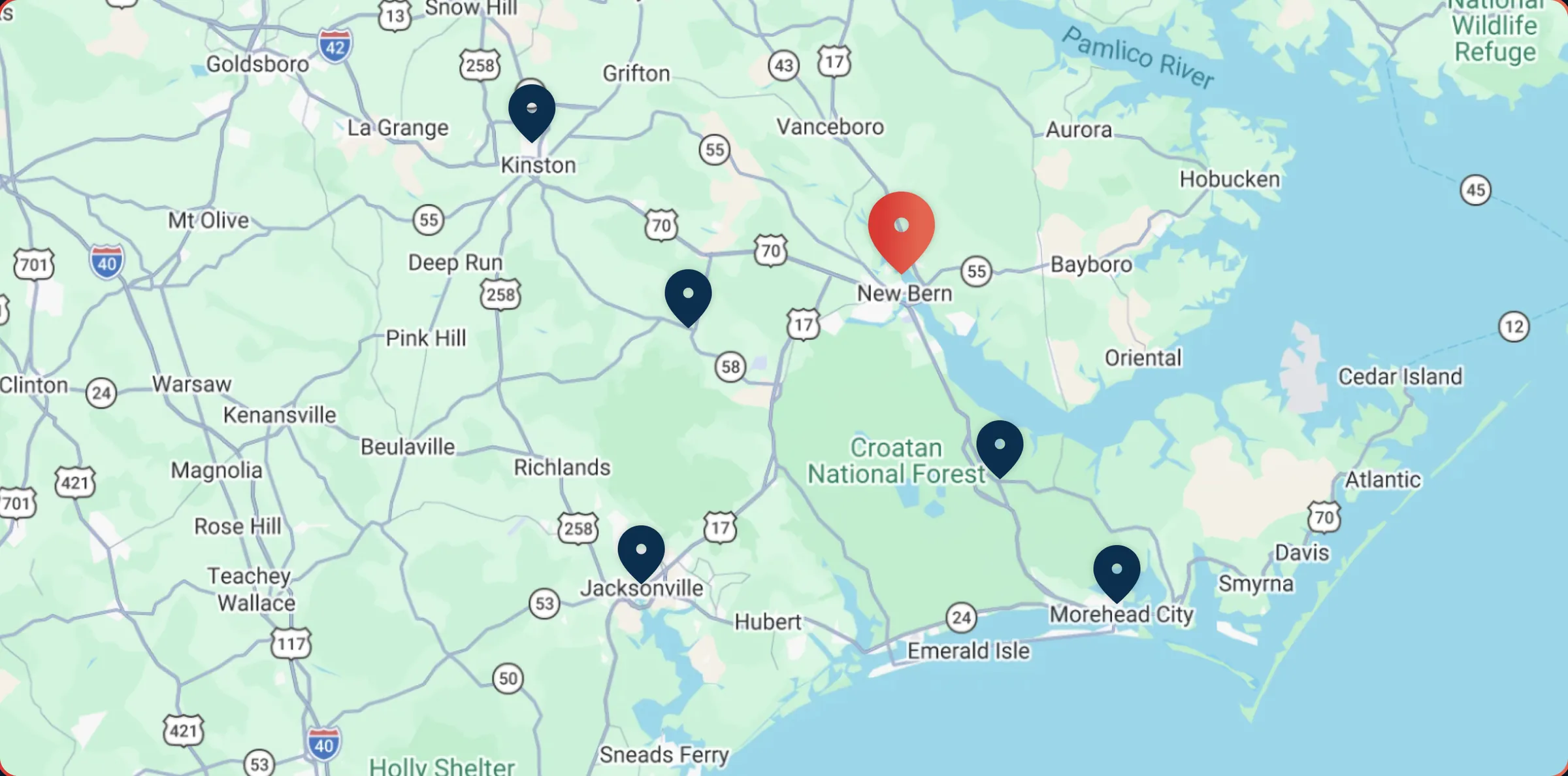
Our chiller service reaches Havelock, Morehead City, Trenton, Jacksonville and Kinston, and our commercial team works from our New Bern office. Every property receives the same inspection sequence regardless of location. If your building sits outside these communities, reach out through our contact page and we will confirm whether we can serve the property before you schedule a visit.
Service Communities
Communities Our Chiller Team Reaches From New Bern
Chiller service and repair visits reach these North Carolina communities from our New Bern office. For a broader view of our coverage, see our service area overview.
- New Bern, NC
- Morehead City, NC
- Jacksonville, NC
- Havelock, NC
- Trenton, NC
- Kinston, NC
Additional Communities Served
Don’t see your town listed? We regularly help customers in nearby communities throughout the region. Give us a call and we’ll let you know if we can reach you.
Related Commercial Work
Other Commercial Services We Provide
Chillers often share mechanical space, piping and controls with other building systems, so these related services may be worth comparing.
Commercial gas line services
Gas piping for commercial properties, including supply lines that feed heating and cooling equipment.
Learn More about Commercial gas line servicesResidential gas line services
Gas line work for homes, from supply lines to appliance connections.
Learn More about Residential gas line servicesCustom sheet metal fabrication
Custom-fitted sheet metal for repairs and installations that need a precise fit.
Learn More about Custom sheet metal fabricationIndoor air quality solutions
Filtration, UV lighting, humidity control and duct sealing for occupied spaces.
Learn More about Indoor air quality solutions
Talk with Our Team
Your New Bern Commercial Chiller Contractor
A chiller that runs well keeps a building comfortable through the hottest weeks of the year, while a unit that quietly loses capacity can turn a small fault into a costly disruption. Tell us what the system is doing, where cooling falls short and what your staff has noticed, and our team will review the equipment on site. A repair decision should rest on measured data. We explain the readings behind each recommendation, separate required items from improvements that can wait, and offer only the work your building needs.
Service Finance is available for qualifying projects, so a larger repair can be planned around monthly payments rather than absorbed as a single expense. Our financing page explains how the program fits a commercial budget. Between repairs, planned care keeps the controls, compressor and flow components on a predictable schedule, and our commercial maintenance plan is built for that purpose. Ask about the plan when you call, and we will explain how it applies to your property.
Whether your property sits in New Bern or in one of the five communities we serve, our team welcomes questions about chiller testing, repair decisions and planned care. Our crews work with building managers, owners and maintenance staff alike, so the findings reach the people who must approve the work. You can also review our full range of services to see how chiller service fits alongside the heating, cooling and gas line work we handle. When you are ready, reach out and we will explain what we find before recommending anything.