
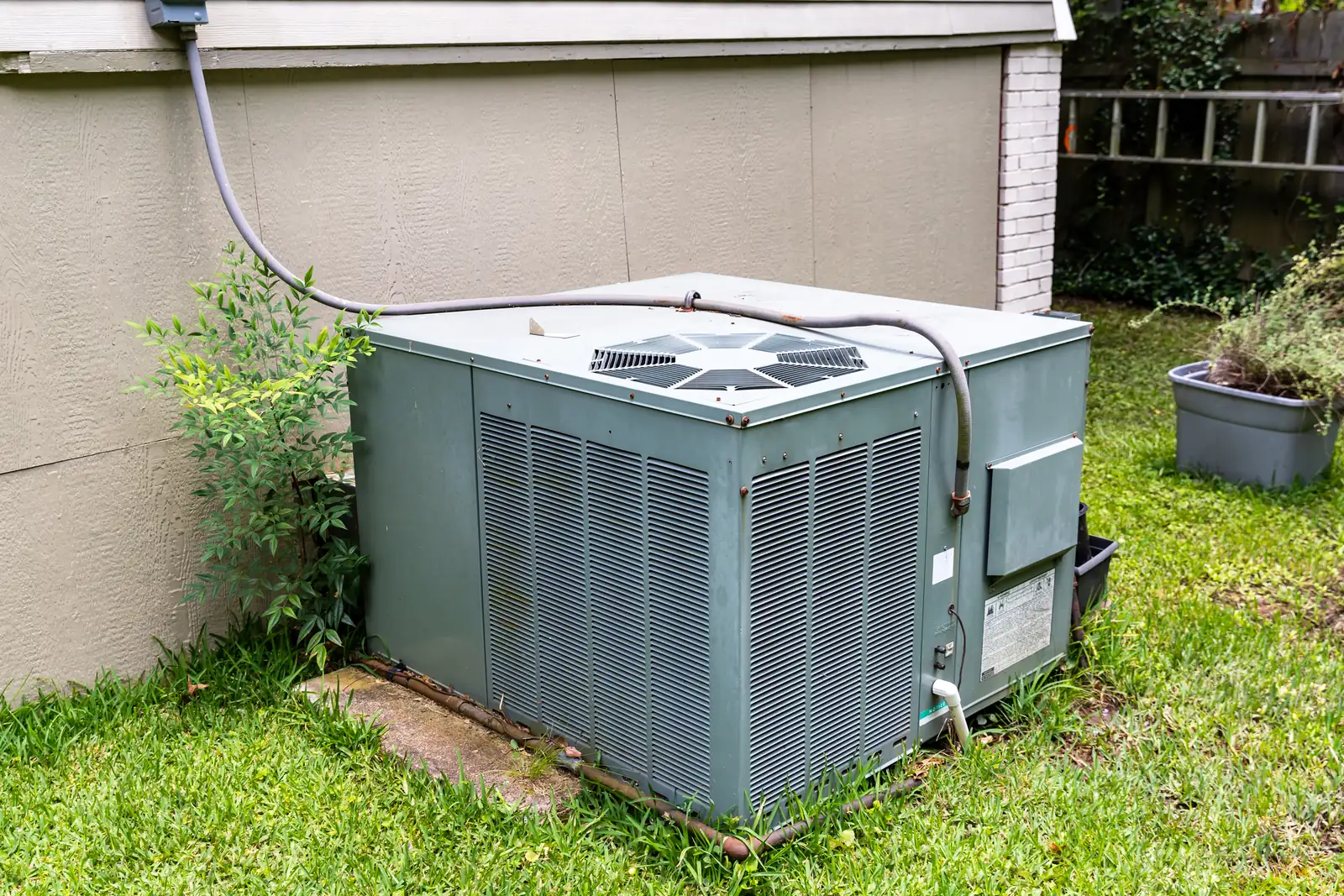
Packaged Unit Repair and Service
Packaged Unit Repair in New Bern, NC
GP Heating & Cooling is a family-owned and locally-owned company based in New Bern, NC. A packaged unit carries heating and cooling in one outdoor cabinet,. Our technicians start with a careful diagnosis, test the cooling circuit, the heating section and the controls, and explain each finding in plain language before any repair is made. We are an Armstrong ProTeam Dealer and a Ducane dealer, and our work is backed by 22 years of experience.
Why Our Diagnoses Stand Out
What Sets Our Packaged Unit Diagnosis Apart
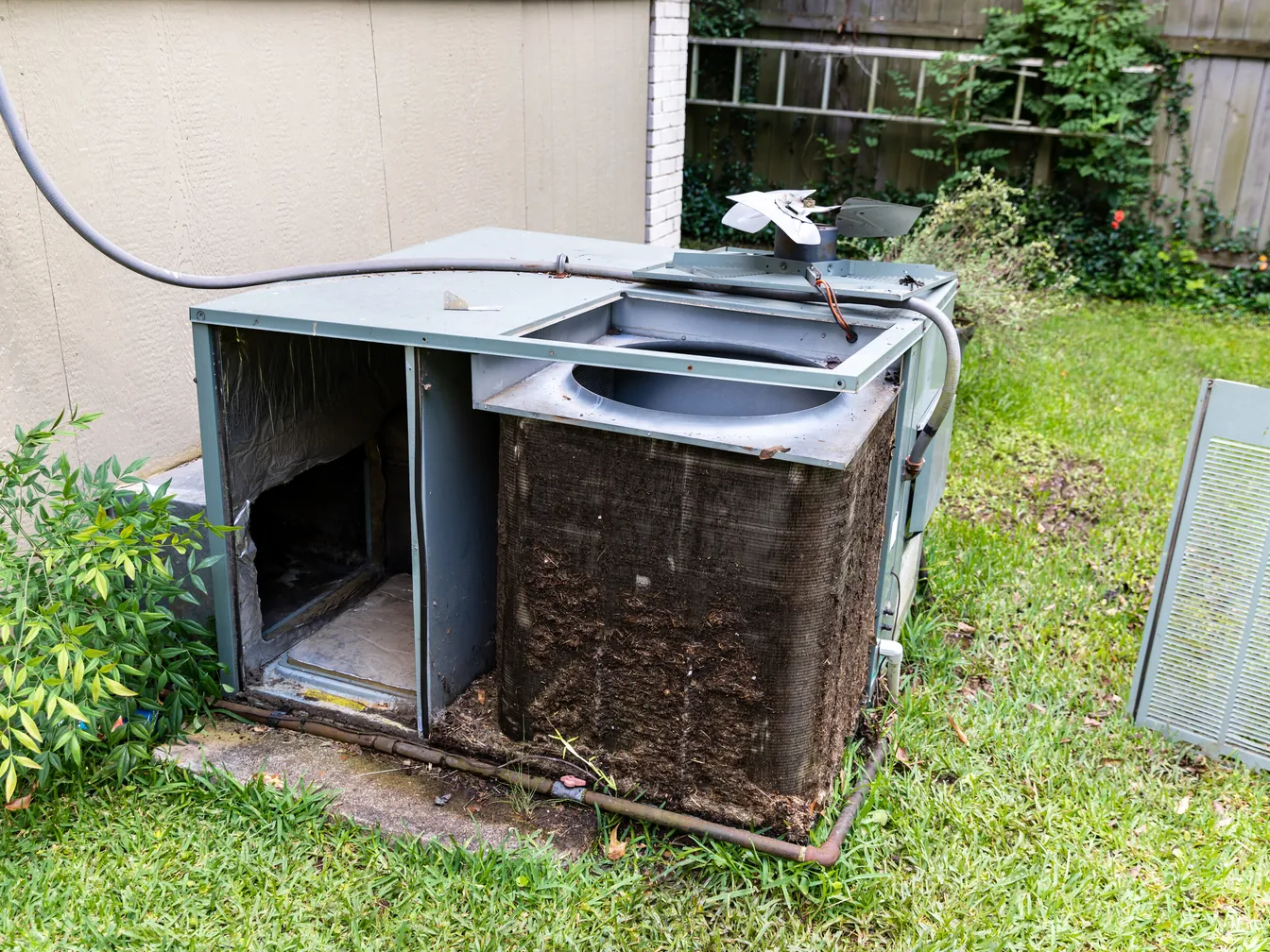
A packaged cabinet can fail in ways that look alike from the thermostat, so the diagnosis matters more than the part. These six commitments guide every repair visit we make.
Family ownership that answers for the repair
When a packaged unit stops cooling or heating, our family-owned business wants the cause identified before any part is replaced. A repair we complete should hold up for the household that lives with it. You can read about the people behind the company on our About Us page.
Local accountability on every repair call
We are locally owned and operated, and our technicians serve the communities around New Bern. When a packaged cabinet fails, local ownership means the same team that diagnosed it answers for how the repair holds up afterward. We also sponsor a local Christian school and a Sunday School recreation league, which keeps our commitments in the area visible.
Both sides of the cabinet tested in one visit
A packaged unit shares its fans, controls and airflow between heating and cooling, so we test both sections during the same visit. That approach helps us separate a cooling fault from a heating fault that is only showing up as a comfort complaint.
Dealer familiarity with the lines we represent
We are an Armstrong ProTeam Dealer and a Ducane dealer. Working with those lines regularly helps our technicians read control sequences, identify the responsible component and explain how it fits the rest of the cabinet.
Twenty-two years of experience behind the diagnosis
GP Heating & Cooling was established in 2022, and the team behind it brings 22 years of experience in heating and cooling. That background helps us recognize common packaged-unit failures, from weak capacitors to blocked condensate drains, and move directly to a cause instead of guessing.
Financing and planned care for a bigger decision
Some packaged repairs turn into a question of whether the cabinet is worth keeping. Through Service Finance, we can explain how financing applies to a larger project, and our maintenance plan keeps a cabinet on a planned schedule. Review our financing options before you choose a path.
Start with the Symptoms
Describe What the Cabinet Is Doing
Tell us whether the system cools weakly, heats poorly, shuts off during a cycle, freezes or leaks water, and note when the problem began. You can send those details through our contact page, and our team will follow up with next steps. If the cabinet has reached the end of its useful service, our packaged unit installation options explain that path. For planned care before the next season, our packaged unit maintenance visits cover what a tune-up includes, and our packaged unit overview compares every option. Please include your town so we can confirm the property sits within our service area.
Outdoor Cabinet Clues
Signs a Packaged Cabinet Needs a Closer Look
Packaged units often show trouble at the outdoor cabinet before indoor comfort drops. Each sign below points to a different part of the system, so a closer look is worth the call.
Weak Cooling While the Fan Keeps Running
A cabinet that runs for long periods without bringing rooms down to the set temperature may have a compressor losing capacity, a refrigerant problem or a dirty evaporator coil. These causes produce similar symptoms, so we measure pressures and temperatures before recommending a repair.
Short Cycling Between Heating or Cooling Calls
When the cabinet starts, runs briefly and shuts off again, the cause may be an overheating condition, a tripped pressure safety device or a capacitor that cannot support the motor. We check the cycle pattern, the safety devices and the electrical components before changing any part.
Ice or Frost on the Outdoor Coil
Frost on the outdoor coil during cooling, or ice that builds during a heating call, usually points to restricted airflow, a failed fan motor, a refrigerant charge problem or a control issue. We look at airflow across the coil and the refrigerant circuit so the frost is traced to its source.
Humming or Clicking Without a Full Start
A compressor or fan that hums without starting, or a contactor that clicks repeatedly, often signals a failing capacitor, a weak start component or low voltage at the cabinet. We test the electrical components and the voltage at the disconnect before deciding whether a part needs replacement.
Water Pooling Near the Cabinet or Leaking Indoors
Standing water beside the cabinet, or moisture near the indoor air section, can come from a blocked condensate drain, a cracked drain pan or a float switch that has tripped. We clear the drain path, test the float switch and check the drain pan so water leaves the system as designed.
Burner Odor, Soot or a Carbon Monoxide Alarm
A gas heating section that smells, leaves soot around the burner or sets off a carbon monoxide alarm should not be run again until it has been inspected. Leave the home, get everyone outside, and call your gas provider from outside the building. Once the home is safe, our technicians can check the burner, heat exchanger, flue and gas connections.
How We Test the Cabinet
How a Packaged Unit Repair Visit Unfolds
Each repair follows the same order, so you can see what we test and why before any part is replaced.
Step 1 of 5
Review the Symptoms and Service History
The visit begins with the story of the cabinet, since timing and pattern narrow the search considerably. We want the full picture before we touch a panel.
- Describe when the cooling or heating complaint started and whether it appears in only one season.
- Share the thermostat settings, the schedule and any recent changes to the indoor system.
- Tell us about filter changes, earlier repairs and any work performed by another company.
- Note any frost, water, odors or unusual sounds you noticed at the outdoor cabinet.
- Confirm your visit time through our contact page, and our team will follow up.
Step 2 of 5
Test Electrical Components and Motors
Many packaged faults trace back to an electrical part or a motor, so we check those first.
- Measure voltage at the disconnect and confirm the cabinet receives power within its rated range.
- Test the capacitors, contactors and relays that start the compressor and fan motors.
- Check the outdoor fan motor and the indoor blower motor for bearing wear, overheating or unusual resistance.
- Inspect wiring, terminals and control connections for heat damage or looseness.
- Confirm the signals from the thermostat match the sequence the cabinet expects.
Step 3 of 5
Inspect the Refrigerant Circuit and Coils
The cooling side depends on steady refrigerant pressure and clean heat transfer surfaces, so we measure both before deciding on a repair.
- Read suction and discharge pressures and compare them with the operating conditions of the day.
- Check the outdoor condenser coil and the indoor evaporator coil for dirt, bent fins or restricted airflow.
- Look for oil staining and other signs of a leak at fittings, service valves and line connections.
- Confirm that the compressor draws current within its normal range before judging whether it can be repaired.
- Explain whether a leak repair, coil cleaning or component replacement addresses the cause.
Step 4 of 5
Check the Heating Section and Gas Safety
Where the cabinet includes a gas heating section, we confirm that it ignites, burns cleanly and vents correctly.
- Run the heating sequence through ignition and confirm the burner lights and holds its flame.
- Measure gas pressure at the appliance and check the connections for leaks.
- Take combustion readings for carbon monoxide and check the heat exchanger for signs of stress.
- Test the limit switch, pressure switch and flame sensor for correct response.
- Inspect the flue and combustion air path for blockages or improper slope.
Step 5 of 5
Approve the Repair, Retest and Document the Results
We complete only the work you approve, then confirm the cabinet performs through a full cycle before we leave.
- Repair or replace the components identified during the diagnosis, with each option explained before work begins.
- Run cooling and heating cycles and check supply temperatures at several registers.
- Repeat pressure, current and combustion readings after the repair so the results can be compared with the originals.
- Provide a written repair record with the test readings, the parts replaced and any manufacturer warranty information that applies to them.
- Answer your questions and note any items to watch before the next season begins.
Parts We Test and Repair
Packaged Unit Components We Service
Compressor and Start Components
The compressor drives refrigerant through the cooling circuit, and its start capacitor and relay help it begin each cycle. We test current draw and start components before recommending a replacement.
Condenser and Blower Motors
The outdoor fan moves air across the condenser coil, and the indoor blower moves conditioned air through the ductwork. We check bearings, windings and capacitors so each motor runs at its correct speed.
Contactors and Electrical Controls
Contactors switch power to the compressor and fan motors, and control boards sequence each start. We inspect pitted contacts, loose terminals and control responses.
Reversing Valve and Refrigerant Circuit
Where the cabinet operates in heat pump mode, a reversing valve directs refrigerant between heating and cooling. We check valve operation, line connections and service valves for leaks or restrictions.
Evaporator Coil and Airflow Path
The indoor coil absorbs heat during cooling and needs steady airflow to perform. We inspect coil cleanliness, filters and return air paths before recommending coil service.
Gas Heating Section
Where the cabinet includes gas heat, the igniter, flame sensor, gas valve and burners work in sequence. We test each component and confirm combustion before the section returns to service.
Condensate Drain and Float Switch
The condensate drain carries moisture away from the cabinet, and the float switch shuts the system down if water backs up. We clear blockages, test the switch and check the drain pan.
Thermostat and Control Wiring
The thermostat tells the cabinet when to heat, cool or run the fan, so its wiring and settings matter. We confirm the signals reach the cabinet correctly.
Ask Us Anything
Packaged Repair Questions Answered
Several causes can produce that symptom, including a loss of refrigerant charge, a dirty coil, restricted airflow or a compressor that has lost capacity. Each cause leaves a different pattern in the pressures, temperatures and airflow. We measure those readings during the visit and explain which factor is responsible before recommending a repair, so you can follow the reasoning yourself.
When the blower runs but warm air does not follow, the gas burner may not be igniting, a safety switch may be holding the gas valve closed, or an electric heat sequence may not be engaging. We check the heating sequence in order, starting with the thermostat signal and ending at the burner or heating elements, so the cause is confirmed rather than assumed.
A humming compressor often has a weak start capacitor, a failing start relay or low voltage at the cabinet. Repeated start attempts can overheat the windings, so the system should be switched off until it is checked. We measure voltage, test the start components and check the compressor’s current draw before deciding whether a part can be replaced.
Ice usually signals restricted airflow, a failed outdoor fan motor, a refrigerant charge problem or a control issue that keeps the cabinet running when it should not. Ice can block the coil and reduce output further. We inspect airflow across the coil, test the fan and review the refrigerant readings so the frost is traced to its source rather than simply cleared away.
Repeated short cycles can come from an overheating condition, a tripped pressure safety device, a failing capacitor or a control responding to an unstable thermostat signal. Each cause leaves a different signature in the readings we take. We run the cycle, record how long it operates before shutting off and identify the safety or electrical part responsible before making any change.
No. If you smell gas, leave the home, avoid switches and electrical devices, and call your gas provider from outside the building. Soot or scorch marks around the heating section also mean the cabinet should stay off until it has been inspected. Once the home is safe, our technicians check the gas connections, burner, heat exchanger and flue, and we explain every finding before recommending work.
A blocked condensate drain, a cracked drain pan or a tripped float switch can send moisture where it does not belong. Standing water can damage flooring and framing, so the leak should be checked before it causes more harm. We clear the drain line, inspect the pan and test the float switch, then confirm the system drains correctly during a full cooling cycle.
Keep the area around the cabinet clear of leaves, grass clippings, shrubs and stored items so the technician can reach the panels and the coil. If the cabinet is making unusual noises, turn the system off at the thermostat until the visit. Avoid pressure washing the coil, since the fins bend easily. Our team will check airflow and the coil itself during the visit.
Share the date of each repair, the parts that were replaced, the company that performed the work and any symptoms that returned afterward. Earlier repairs can explain why a component is wearing or why a second part failed. Share any invoices or notes you have, even if they are incomplete. This history helps our technicians avoid repeating tests and focus on what has changed since the last visit.
Uneven airflow often comes from closed or blocked registers, leaky ducts, a dirty filter or a return path that cannot supply enough air to the cabinet. A weak blower can also contribute. We measure supply air in several rooms and check the return path before recommending changes. Duct modifications are presented as separate options, and none are scheduled until you approve them.
Our Service Communities
Packaged Unit Repair Across Our Service Area
Packaged repairs reach these North Carolina communities from our New Bern office, and each visit begins with the same symptom review and testing sequence. For a wider look at our coverage, see our service area overview.
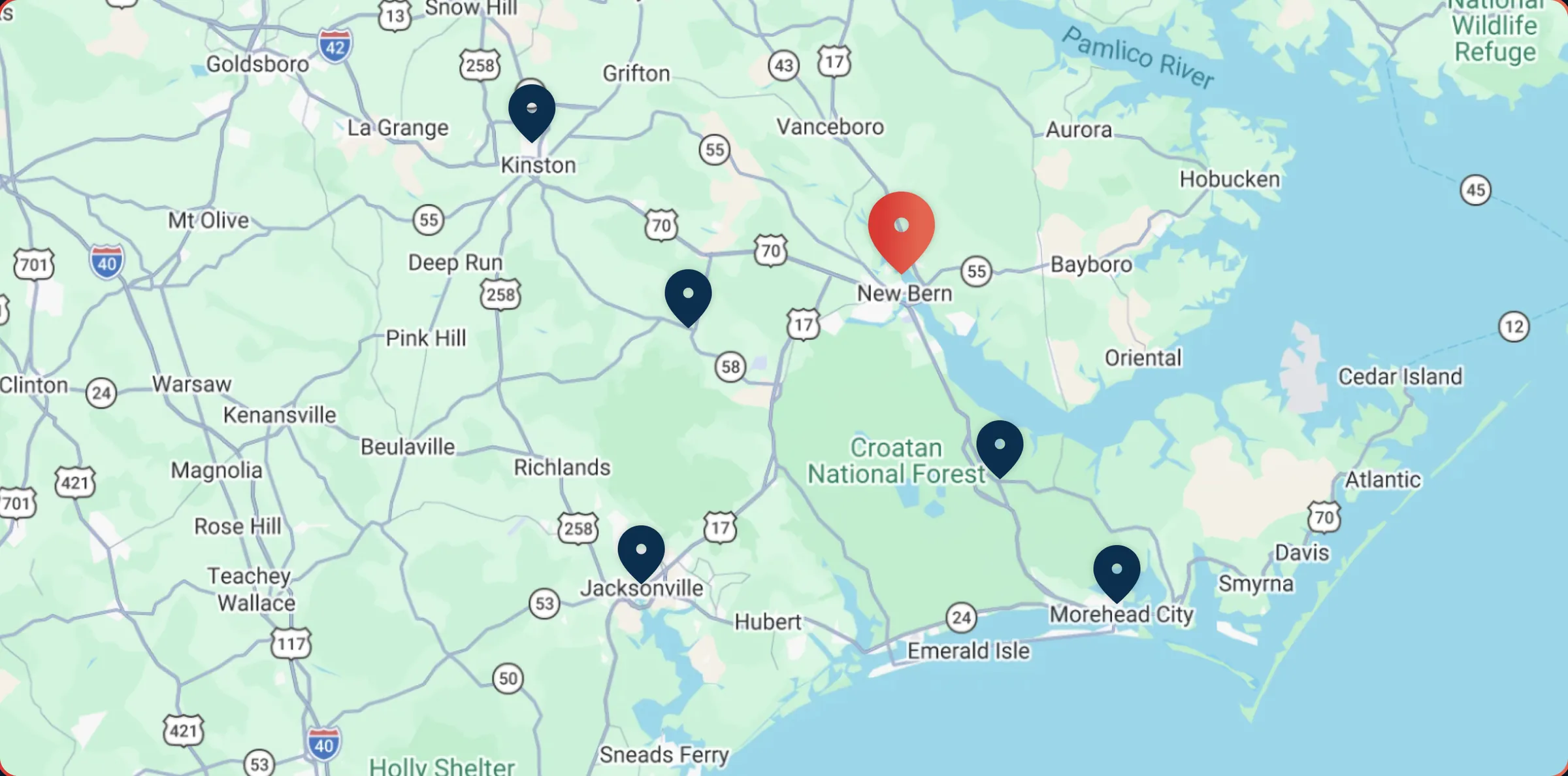
- New Bern, NC
- Morehead City, NC
- Jacksonville, NC
- Havelock, NC
- Trenton, NC
- Kinston, NC

Additional Communities Served
Don’t see your town listed? We regularly help customers in nearby communities throughout the region. Give us a call and we’ll let you know if we can reach you.
Related Comfort Care
Other Comfort Systems We Diagnose
Many homes with a packaged cabinet also rely on the systems below, and we diagnose each one with the same care.
Central air conditioning repair
Diagnosis and repair for split systems that pair an indoor coil with an outdoor condenser.
Learn More about Central air conditioning repairDucted heat pump repair
Heating and cooling repair for ducted systems, useful when you are comparing a heat pump with a packaged cabinet.
Learn More about Ducted heat pump repairFurnace repair
Ignition, airflow and safety control diagnosis for homes that heat with an indoor furnace.
Learn More about Furnace repairMini-split repair
Ductless repair for additions and single rooms that ductwork does not reach.
Learn More about Mini-split repairIndoor air quality
Filtration, UV lights, humidity control and duct sealing that support any heating and cooling system.
Learn More about Indoor air quality
Take the Next Step
Your New Bern Packaged Unit Repair Company
A packaged unit that will not cool, will not heat or leaks water deserves a careful diagnosis rather than a guess. Our technicians test the electrical components, refrigerant circuit, heating section, drain path and controls, then explain what they find in plain language. Our technicians will not begin major work until you approve it, and you receive a written repair record with the test readings, so you can see how each conclusion was reached before you decide.
Service Finance may help a larger repair or a replacement decision fit into manageable monthly payments. Our maintenance plan can keep the cabinet on a planned schedule, so wear is more likely to be noticed before it turns into a breakdown. Both options are explained in plain terms during the visit, and approval and terms are set by the lender, so review those details directly before you commit.
You can also explore our full range of services to see how packaged repair fits alongside the rest of your heating and cooling. Many households compare a repair with a replacement before deciding, and we are glad to walk through both paths. The options we present account for the age of the cabinet, the condition of the ductwork and the gas and electrical supply, so the choice rests on facts about your home rather than pressure. Packaged repairs also connect to the rest of the home, so we will note any airflow or gas findings that deserve attention later.
When you are ready, describe what the cabinet is doing and reach out to our team. We will explain what we find, what we recommend and what can wait, so you can make decisions with clear expectations at every stage of the work.