Furnace Repair and Service
Furnace Repair in New Bern, NC
GP Heating & Cooling is a family-owned and locally-owned company based in New Bern, NC. When a furnace stops heating, shuts off mid-cycle or leaves rooms cold, our technicians begin with a careful diagnosis rather than a guess. We test the ignition sequence, gas valve, airflow and safety controls, then explain what we find in plain language. We are an Armstrong ProTeam Dealer and a Ducane dealer, and our work is backed by 22 years of experience in heating and cooling.
Our Repair Approach
Why New Bern Households Trust Our Heating Company for Repairs
A furnace repair decides whether your home stays warm, so we want you to understand every finding before we recommend any work. These six commitments guide each service call.
Family-owned judgment on a furnace that won’t light
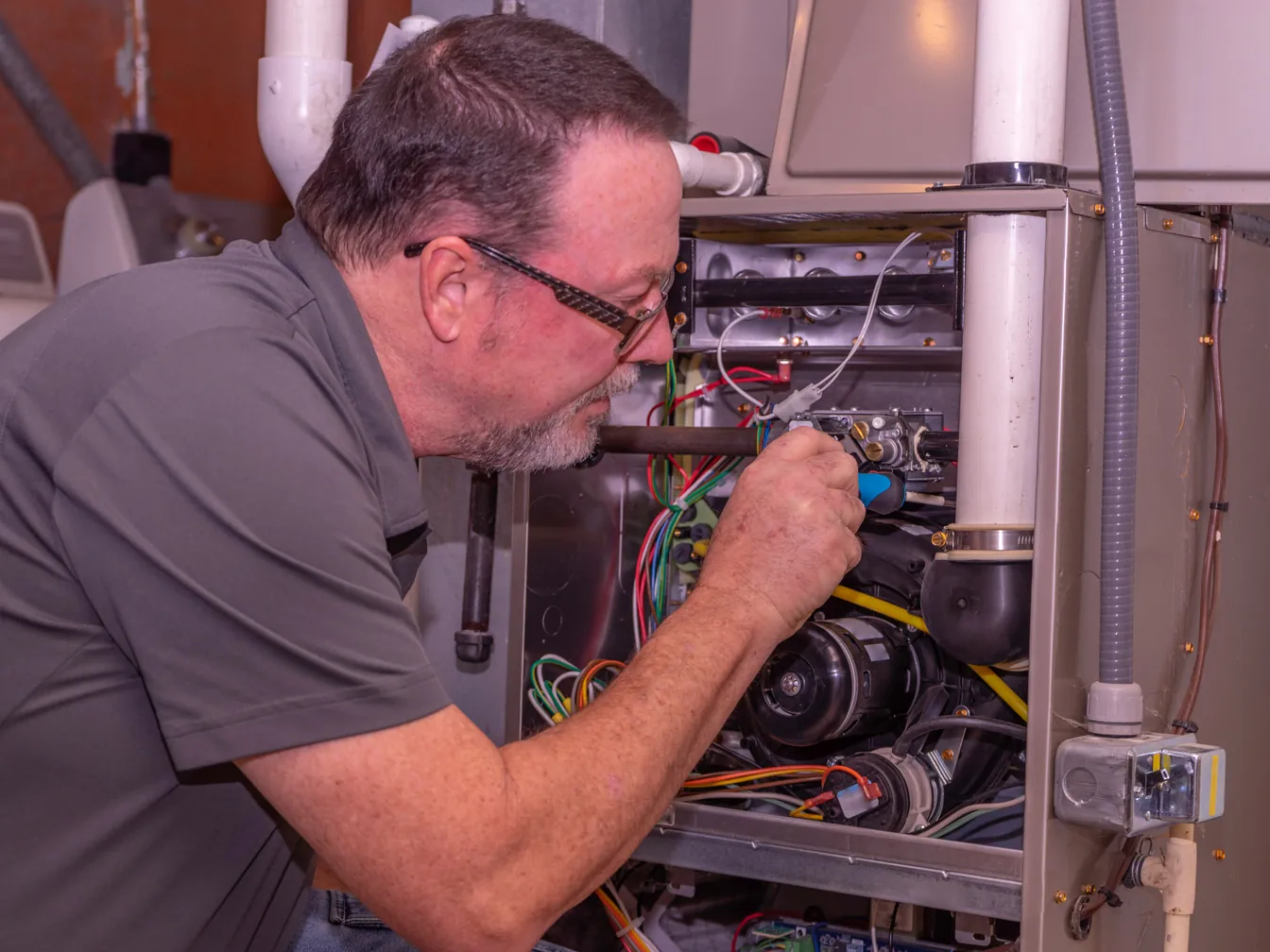
Family ownership means our name stays attached to every repair we complete. When a furnace will not ignite or keeps shutting down, we want you to know the actual cause before any part is replaced. You can read about the people behind the company on our About Us page.
Neighbors who answer for the technician at the door
We are locally owned and operated, so our decisions stay close to the community we serve. That local ownership means we stand behind every repair long after the visit ends.
Armstrong and Ducane familiarity on the control board
We are an Armstrong ProTeam Dealer and a Ducane dealer, so our technicians work with the furnace lines we represent regularly. That familiarity helps us read the ignition sequence and safety controls, identify the responsible component and explain how the repair affects the rest of the system.
Experience that shows in the diagnosis
Our work reflects 22 years of experience in heating and cooling, and our company was established in 2022. That background helps our team recognize the patterns behind common failures, so we move toward the cause instead of replacing parts one at a time.
Financing that fits a larger furnace repair
Some repairs become part of a bigger decision about the age and condition of a furnace. Through Service Finance, we can explain how financing applies to a larger project, so the cost can fit into manageable monthly payments. Review our financing options before you choose a path.
Planned visits that catch wear early
Furnace problems often begin as small changes in ignition timing, airflow or noise. Our maintenance plan adds scheduled visits that give technicians regular chances to find wear before it becomes a no-heat call.
Share Your Symptoms
Tell Us What Your Furnace Is Doing
Describe whether the furnace fails to light, shuts off during a heating cycle, blows cool air or makes new sounds, and note when the problem began. You can send those details through our contact page, and our team will follow up with next steps. If your system may need a new unit instead, our furnace installation options explain that path, and our furnace maintenance and tune-ups cover planned care. Our furnace overview brings the full range of heating service together.
Early Warning Signs
Early Warnings Your Furnace Needs Attention
A furnace usually gives signals before it stops producing heat. Each sign below points to a different part of the system, so a closer look is worth the call.
The Burners Light Late or Not at All
Delayed ignition, a click that repeats without a flame, or a furnace that starts and stops during startup often points to the igniter, flame sensor, gas valve or a pressure-related control. Each part has a specific role in the start-up sequence. Repeated ignition attempts can wear components and leave the home without dependable heat, so the problem should be inspected early.
Frequent Shutoffs During a Heating Cycle
A furnace that runs briefly and shuts off again may be overheating. The cause can be a dirty filter, restricted airflow, a faulty limit switch or a blower that is not moving enough air. Safety controls shut the system down to protect it, so the shutoff is a symptom rather than the root cause. We inspect airflow and the limit control instead of resetting the system over and over.
Uneven Heat or Rooms That Never Warm
When certain rooms stay cold while others feel comfortable, the cause often lies in airflow rather than the furnace itself. Closed registers, leaky ductwork, a dirty filter or a weak blower can all keep warm air from reaching the same rooms. Because the fix may involve the ducts, we measure temperatures and airflow before recommending a repair.
Unusual Noises From the Cabinet
Banging, rumbling, squealing or grinding is not normal for a furnace. Each sound points to a different cause, such as a worn blower bearing, a failing motor component, a loose panel or burner operation that needs adjustment. We listen during the diagnosis and trace the source before any part is replaced.
Higher Gas Bills Without a Change in Habits
If your gas use climbs while the weather and thermostat settings stay the same, the furnace may be burning fuel less efficiently. A failing component, a combustion issue or restricted airflow can each waste fuel. We check combustion readings and airflow so you know whether the equipment or the home is responsible.
Soot, Scorch Marks or a Carbon Monoxide Alarm
Soot around the burner area, scorch marks near the cabinet, or a carbon monoxide detector that sounds are serious warning signs. Leave the home right away, get everyone outside, and call your gas provider from outside the building. Do not run the furnace again until it has been inspected. Once the home is safe, our team can check the venting, heat exchanger and combustion readings.
The Repair Sequence
How Our Furnace Repair Visit Unfolds
Every repair follows the same sequence, so you know what happens at each stage. We want the cause identified and explained before anything is replaced.
Step 1 of 5
Start With the Symptoms and Thermostat Settings
We begin by learning how the furnace has behaved, since timing and pattern often narrow the search.
- Describe whether the furnace fails to light, shuts off mid-cycle, runs without heat or makes new noises.
- Note when the problem started and whether it appears at certain times of day or in certain weather.
- Share the thermostat settings and any recent changes to the system.
- Tell us about filter changes, recent service or work performed by another company.
- Request a visit through our contact page, and our team will confirm a time with you.
Step 2 of 5
Test Ignition, Gas Valve and Safety Controls
The start-up sequence has several checkpoints, and a failure at any one of them can keep the burner from lighting.
- Run the furnace through a heating call and watch the ignition sequence from start to finish.
- Inspect the igniter and flame sensor, and clean the sensor when residue interferes with its signal.
- Check gas valve operation and the gas pressure readings at the appliance.
- Test the pressure switch, limit switch and other safety controls for correct response.
- Confirm that the gas connections are secure, and note where gas line services may be needed.
Step 3 of 5
Measure Airflow, Temperatures and Combustion
Heat output means little if the air cannot move through the home, so we measure both sides of the system.
- Check the blower motor, capacitor and bearings, and confirm the blower runs at the correct speed.
- Measure the temperature rise across the heat exchanger and compare it with the furnace’s rated range.
- Inspect the filter, return air pathways and supply registers for restrictions.
- Run combustion analysis to check carbon monoxide levels and combustion efficiency.
- Inspect the flue and venting for blockages, corrosion or improper slope.
Step 4 of 5
Explain the Cause and Your Repair Options
Once we know the cause, we explain it before any work begins, so you can decide with the facts in hand.
- Describe the component or condition responsible and how it affects comfort and safety.
- Outline each repair option, including what it corrects and what it leaves for later.
- Identify whether the problem is isolated or a sign of wear across the system.
- Explain when the ductwork, the thermostat or the electrical supply plays a role in the symptoms.
- Note where custom sheet metal fabrication may be needed for a precise duct fit.
- Discuss whether a new furnace would serve the home better, and talk through those options with our team before approving any work.
Step 5 of 5
Retest the Furnace and Hand Over the Records
We complete only the approved work, then test the furnace through full heating cycles before we leave.
- Replace or repair the components identified during the diagnosis.
- Confirm electrical connections are secure and the controls respond correctly.
- Run the furnace through several complete heating cycles and check supply temperatures at multiple registers.
- Repeat combustion readings after the repair to confirm the results.
- Provide a written record of the test readings, the parts replaced and any manufacturer warranty information that applies.
- Recommend next steps, such as a planned tune-up before the next heating season, and answer your questions before we leave.
Parts We Service
Furnace Parts We Test and Repair
Each part below has a specific role in producing heat safely, and each can fail in its own way.
Igniter and Flame Sensor
The igniter starts the burner, and the flame sensor confirms that the flame is present. We test both and clean the sensor when buildup interferes with its signal.
Gas Valve and Burners
The gas valve controls fuel flow to the burners, which must light evenly and burn cleanly. We check valve operation, burner condition and flame behavior before recommending parts.
Blower Motor and Capacitor
The blower moves warm air through the ductwork to every room. We test the motor, capacitor and bearings to confirm they run at the correct speed.
Limit and Pressure Switches
Safety switches shut the furnace down when temperatures or venting pressure fall outside safe limits. We test how each switch responds rather than bypassing it.
Control Board and Thermostat Wiring
The control board sequences ignition, blower operation and safety checks. We confirm thermostat settings, wiring and control response before drawing conclusions about the furnace.
Heat Exchanger and Combustion Readings
The heat exchanger keeps combustion gases separate from the air moving through your home. We inspect it and run combustion readings to confirm safe operation.
Flue, Venting and Combustion Air
Venting carries exhaust out of the home and must stay clear and properly sloped. We inspect the flue path, its connections and the combustion air supply.
Filter, Ducts and Airflow Restrictions
Restricted airflow sits behind many furnace complaints, from short cycling to uneven rooms. We check the filter, return path and duct connections, and recommend duct work only when testing supports it.
Common Questions
Furnace Repair Questions Answered
A furnace that clicks, cycles through startup and never produces heat often has a problem with the igniter, flame sensor, gas valve or a safety switch. Each part must work in sequence before the burner stays lit. A dirty sensor is a common cause, while a failed igniter or valve needs testing first. We run the full ignition sequence and show you which component failed before recommending any work.
No. If you smell gas, leave the home right away, avoid light switches and other electrical devices, and call your gas provider from outside the building. A burning smell, scorch marks or a sounding carbon monoxide alarm also mean the furnace should stay off until it has been inspected. Once the home is safe, our team can check the gas connections, venting and combustion readings. We explain findings before any repair is discussed.
When the blower runs but warm air does not follow, the burner is often not igniting, or a safety switch is holding the gas valve closed. Some systems run the fan briefly after a cycle, which is normal. A blower that runs for long periods with no heat deserves a check. We start the diagnosis at the ignition sequence, then confirm whether a limit or pressure switch is keeping the burner off.
A safety check confirms that the furnace burns fuel completely and vents combustion gases out of the home. Our technicians take combustion readings for carbon monoxide, inspect the heat exchanger for cracks or corrosion, and check the flue for blockages or improper slope. We test the limit and pressure switches, verify the gas connections and confirm the furnace shuts down correctly when a safety control trips. Those readings appear in your written record.
A short delay before warm air arrives is normal, because the heat exchanger needs time to warm. If cold air blows for several minutes, or the furnace runs cool all cycle, the cause may be a weak flame, a limit switch that trips early or a problem with blower timing. We measure supply air temperature and check the startup sequence. Simple adjustments are explained during the visit.
Yes. The flame sensor confirms that the burner is lit, and a coating of residue can weaken its signal. When the control board does not detect the flame, it closes the gas valve to protect the system, and the furnace may stop partway through a heating cycle. Cleaning the sensor is routine, but we also check the gas valve, ignition timing and airflow so the shutdown is not caused by a deeper problem.
Repair usually makes sense when one component has failed and the rest of the system is sound, including the heat exchanger and cabinet. Replacement becomes worth discussing when several components are wearing out, when the furnace needs frequent visits or when its efficiency has noticeably declined. We review the repair history, the condition of the cabinet and how the ductwork performs, then compare the options with you. The decision stays with you.
We are an Armstrong ProTeam Dealer and a Ducane dealer, so those are the furnace lines we represent directly. If your furnace carries a different brand, describe the brand, model and age when you contact us. We will tell you whether our team can evaluate and support that equipment before any visit is scheduled. Honest answers come first, even when they are not the easiest to hear.
Yes. Each repair ends with a written record that summarizes the cause, the work performed and the parts replaced. The record also includes the test readings from the visit, such as temperatures and combustion results where they were measured. When a replacement part carries manufacturer warranty information, we include it so you have a reference for future service. Keep the record with your home documents, and ask us about anything you do not understand.
Often it can. Many furnace problems come from a single failed component, such as an igniter, sensor, switch or blower motor, and repairing that part restores operation without a new unit. Some situations point to a larger issue in the heat exchanger, cabinet or ductwork. We test the system, identify whether the problem is isolated, and explain which path makes sense for your home, including when a new furnace installation may serve you better.
Where We Work
Where Our Furnace Repair Technicians Work
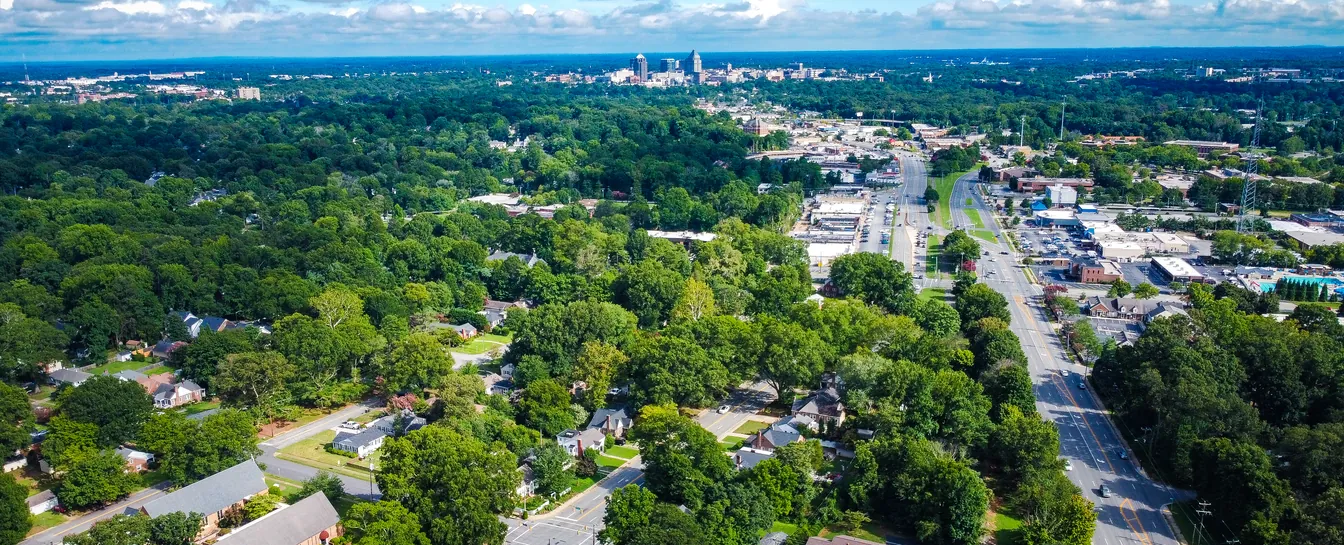
Our furnace repair technicians work from our New Bern office and serve these North Carolina communities. For a broader look at our coverage, see our service area overview.
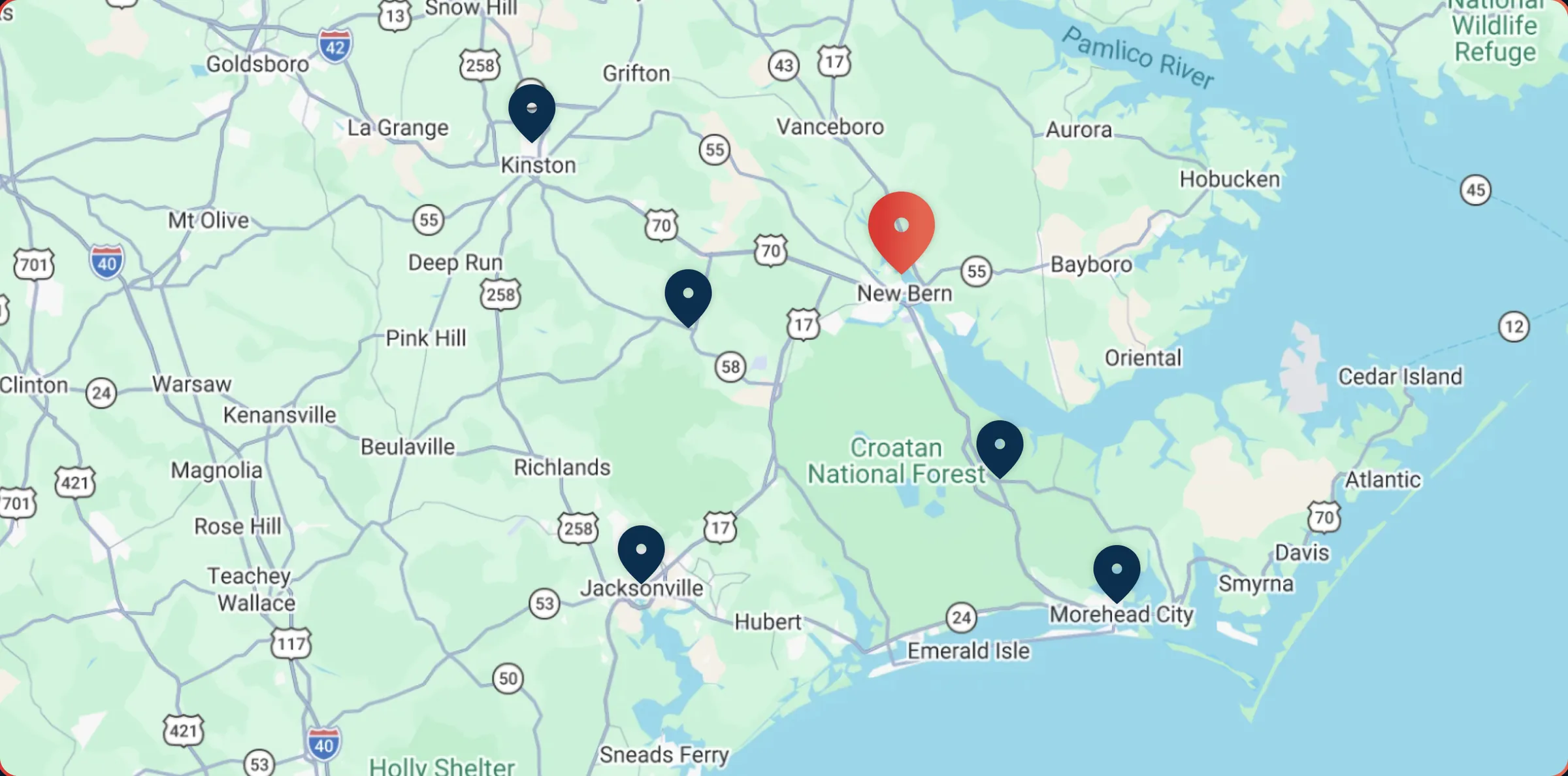
- New Bern, NC
- Morehead City, NC
- Jacksonville, NC
- Havelock, NC
- Trenton, NC
- Kinston, NC
Additional Communities Served
Don’t see your town listed? We regularly help customers in nearby communities throughout the region. Give us a call and we’ll let you know if we can reach you.
Also From Our Team
Comfort Systems That Work Alongside Your Furnace
Many homes with a furnace also rely on the systems below, and we diagnose each one with the same care.
Central air conditioning repair
Diagnosis and repair for central AC systems that share ductwork and controls with the furnace.
Learn More about Central air conditioning repairDucted heat pump repair
Heating and cooling repair for homes weighing a heat pump against a furnace.
Learn More about Ducted heat pump repairMini-split repair
Ductless repair for rooms and additions that the ductwork does not reach.
Learn More about Mini-split repairPackage unit repair
Repair for single-cabinet heating and cooling systems.
Learn More about Package unit repairIndoor air quality
Air filtration, UV lights, humidifiers and duct sealing for cleaner indoor air.
Learn More about Indoor air quality
Next Step
Ready to Get Your Furnace Heating Reliably Again
A furnace that will not light, shuts off mid-cycle or leaves rooms cold deserves a careful diagnosis rather than a guess. Our technicians test the ignition sequence, safety controls, combustion and airflow, then explain what we find in plain language. We would rather give you a clear picture than recommend a repair you do not need, and you will leave with a written record of the findings.
If the diagnosis points toward a larger decision, Service Finance may help a bigger project fit into manageable monthly payments. Our maintenance plan can keep your furnace on a planned schedule, so developing problems have more chances to be found early. Both options are explained in plain terms during the visit, and you can weigh them at your own pace before deciding anything.
Whether you live in New Bern or in one of the communities we serve nearby, you can explore our full range of services to see how furnace repair fits alongside the rest of your heating and cooling. When you are ready, describe what your furnace is doing and reach out to our team. We will explain what we find and what we recommend, so you can decide with clear expectations at every stage of the work.