
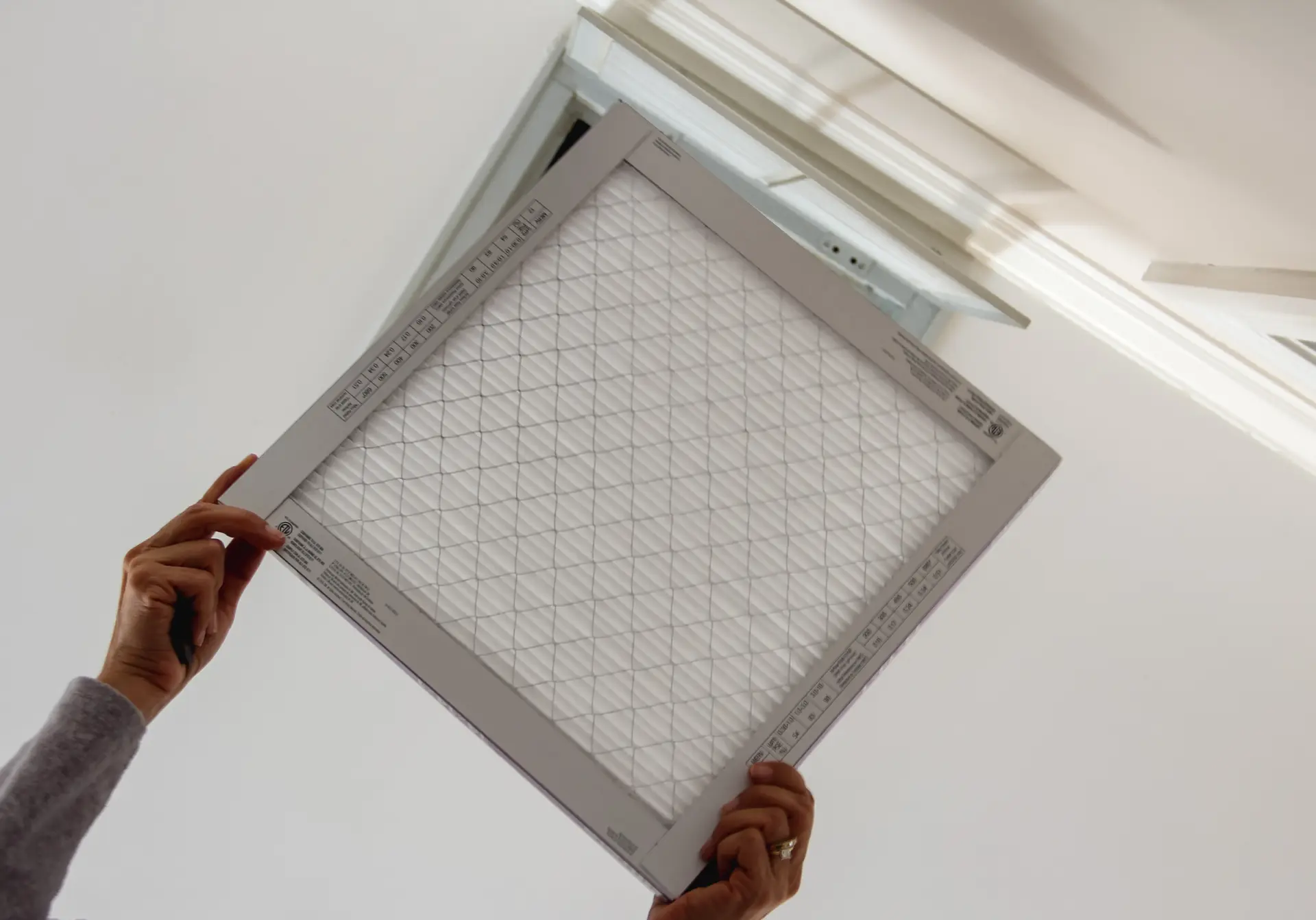
Indoor Moisture Balance
Humidifiers and Dehumidifiers in New Bern, NC
GP Heating & Cooling is a family-owned and locally-owned company based in New Bern, NC. We install Honeywell, Aprilaire and Santa Fe humidifiers and dehumidifiers that help balance moisture in your home. Dry winter air can irritate skin and leave wood floors and trim vulnerable, while damp summer air can make rooms feel sticky and stuffy. Each option is matched to your furnace, heat pump or air conditioner and to the way your home holds moisture. Backed by 22 years of experience, our team explains the choices in plain language, and you decide what moves forward.
Why Choose Us
Why Our Humidity Control Company Starts With Your Home’s Moisture
Moisture behaves differently in every house, so each humidity project follows these commitments:

Family-owned care for equipment you live with daily
As a family-owned and locally-owned business, we know a humidifier runs through every heating season and a dehumidifier may run through every humid stretch. We choose equipment we expect to hold up in your home over the long run. We put our findings in writing so your household can compare options at its own pace. Meet our team on our About Us page.
Moisture readings before any recommendation
We look at how humid or dry your home runs across the year before suggesting a product. Thermostat settings, rooms that feel different from one another and any signs of window condensation all inform the review. A single reading taken on one mild day can mislead, so we look at the full picture before recommending a solution.
Matching to furnaces, heat pumps and air conditioners
A whole-home humidifier works with the airflow of your heating system, and a dehumidifier has to fit alongside the cooling equipment already in place. We confirm which equipment you have before recommending any product. A mismatch can leave a home no more comfortable than it was before the project began.
Dealer relationships that keep us close to the equipment
We are an Armstrong ProTeam Dealer and a Ducane Dealer. Working with those lines helps our team stay familiar with the systems that humidity products connect to, which matters when a humidifier or dehumidifier shares airflow with a furnace or air handler. We explain each connection in terms you can follow.
Honest limits on what humidity equipment can do
A humidifier adds moisture but will not solve every comfort problem in a home, and a dehumidifier removes moisture without replacing cooling. We explain those limits up front, so your expectations match what the equipment can deliver. Our goal is a clear plan for your home’s moisture, not a long list of add-ons.
Financing and planned care that fit the project
Qualifying humidity projects can be spread out through Service Finance, and our maintenance plan keeps connected equipment on a regular schedule. Review our financing options or our maintenance plan details when you plan your next step.
Start the Conversation
Tell Us Where Your Home Feels Too Dry or Too Damp
Share how your home feels in winter and in summer, which rooms seem dry, stuffy or damp, and which heating and cooling equipment you use. Mention any static shocks, cracked wood trim, window condensation or musty smells you have noticed, even if you are not yet sure what is causing them. You can send these details through our contact page, and our team will follow up with next steps. If moisture is only part of your concern, you may also compare air filtration and air cleaners, UV light options or duct sealing services. Our technicians assess your home first, and no equipment is added without your approval.
Step By Step
From First Moisture Reading to a Working Setup
Humidity equipment performs well only when it matches the way your home gains and loses moisture. Each step below builds on the one before it, and each one ends with findings you can review.
Step 1 of 5
Winter and Summer Moisture Walkthrough
We start by understanding how moisture behaves in your home across the year, because dry winters and damp summers call for different solutions.
- Ask when dryness or dampness shows up and which rooms feel the effect first.
- Look for signs of dry air, such as static, cracked trim and window frosting during cold weather.
- Look for signs of excess moisture, such as musty smells, damp corners and condensation on cool surfaces.
- Record the thermostat and any humidity controls already in use.
- Note any comfort concerns household members have raised, without making medical claims.
- Explain what we observed before moving to the next step.
Step 2 of 5
Furnace, Heat Pump and Ductwork Compatibility Check
Humidity equipment connects to the rest of your system, so we confirm how your equipment moves air before recommending a product.
- Identify the furnace, heat pump, air conditioner or packaged unit that will work with the new equipment.
- Locate the supply plenum and the places where a whole-home humidifier could connect.
- Confirm a nearby water supply and drain path for any equipment that needs them.
- Check the return and supply layout for airflow that could affect how moisture spreads through the home.
- Review electrical access and clearance around each proposed location.
- Share the compatibility findings in plain language so you understand each constraint.
Step 3 of 5
Humidifier or Dehumidifier Selection
Once we understand the moisture pattern and your equipment, we compare Honeywell, Aprilaire and Santa Fe options that fit your home.
- Compare whole-home humidifiers with portable or standalone units for the rooms you use most.
- Weigh dehumidifiers for a damp basement, crawl space or living area against whole-home options.
- Review how each control and humidistat changes what you adjust from day to day.
- Explain how each option fits your heating season, your cooling season and your budget.
- Discuss the routine care each product needs, such as water supply checks or replacing a humidifier pad.
- Give you time to decide, with no equipment ordered until you approve it.
Step 4 of 5
Installation and Controls Setup
After you approve a recommendation, our team installs the equipment with attention to placement, airflow and the controls that run it.
- Mount the humidifier or dehumidifier in the location planned during the review.
- Connect water and drain lines where the chosen product requires them.
- Set up the humidistat or control so the equipment responds to your home’s readings.
- Confirm that the blower or cooling system runs as expected with the new equipment connected.
- Verify electrical connections and secure all panels before leaving the home.
- Test operation under normal conditions and record the results.
Step 5 of 5
Written Setup Record and Seasonal Adjustment Plan
We close by leaving you with a written record of each setting and a plan for adjusting them as the seasons change.
- Document the model, location and control settings for each installed product.
- Show how to read the humidistat and what its display means for your home.
- Describe a seasonal adjustment routine for dry winter months and damp summer months.
- Explain the cleaning, water and pad or tank steps the product needs and how often they apply.
- Review the warranty terms and any registration steps for the equipment installed.
- Note which items a planned maintenance visit would check, so you know what to expect at your next visit.
Common Questions
Humidifier and Dehumidifier Questions Answered
Heating a home lowers its relative humidity, so indoor air often feels drier during cold months even when the furnace is working correctly. Dry air can irritate skin and throat and cause wood to shrink. A humidifier adds moisture to the air that your heating system distributes through the home. Our team measures how dry your home runs before recommending a solution, so you know whether a humidifier fits.
In many homes, yes. Whole-home humidifiers are typically mounted near the heating system’s air handler or supply plenum, where the blower can carry added moisture through the ductwork. Compatibility depends on your equipment, the layout of your ducts and the space available for the unit. Our technicians review the system before recommending a model, and we explain placement, water connection and controls before any work begins.
It can, if indoor humidity runs higher than the outdoor conditions can comfortably hold. Condensation on windows is a sign that moisture is gathering on cold glass, especially during cold nights. A humidifier should be set to suit the home and the season, and a humidistat helps keep it from adding more moisture than the house needs. We review window conditions and moisture readings before recommending settings, so you can adjust with confidence.
Damp lower levels often come from moisture moving in through the foundation, from ground contact or from humid outdoor air that condenses on cool surfaces. Ductwork or equipment in those spaces can add to the problem. A dehumidifier can pull moisture from a contained space, but it works best once the source is understood. Our team reviews the space, ductwork and equipment before recommending a dehumidifier, and we discuss whether duct sealing should come first.
The answer depends on how many rooms struggle with humidity and whether the problem follows the whole house or one area. A portable dehumidifier serves a single room or small space and needs a spot where its tank can be emptied or drained. A whole-home unit works with your heating and cooling system to treat air throughout the house. We compare both options in writing, including daily routine, and you decide which suits your home.
Look for patterns across the year. Dry air often shows up as static shocks, cracked trim, dry throats and gapping floorboards during cold months. Damp air often shows up as window condensation, musty smells, sticky surfaces and stuffiness during warm months. Some homes have both problems at different times of year. Our team checks readings and visible signs, so the recommendation reflects the full cycle rather than one season.
Some thermostats support humidity controls, while others need a separate humidistat or control for new equipment. Whether your current thermostat can manage a unit depends on its wiring, its features and the equipment being added. Our team checks your thermostat during the compatibility review and recommends the control approach that matches your system. We explain how each control works before setup, so you know what to adjust as the seasons change.
Whole-home humidifiers connect to a water supply and need a drain path for excess water. Dehumidifiers that collect condensate may drain to a suitable floor drain or a condensate pump, while portable units use a removable tank. The right connection depends on the equipment you choose and the layout of your home. We confirm water and drain access during the review and explain requirements before anything is installed.
Wood absorbs and releases moisture as the air around it changes. In dry winter months, wood can shrink, leaving gaps at joints, cracked trim or floorboards that separate. In humid months, wood can swell, causing doors to stick and floors to cup. Keeping indoor moisture within a steadier range can reduce these seasonal changes. Our team reviews the rooms where you notice these changes and recommends equipment that fits how your home holds moisture.
A humidifier needs regular attention during the heating season to keep working as designed. Typical tasks include checking the water supply, inspecting the drain, replacing any water panel or pad the unit uses and confirming that the humidistat reads correctly. Schedules vary by product and by how often the system runs. We explain the care your model needs during setup, and related checks can be covered at a planned maintenance visit.
Where We Work
Humidity Control Service Across Our Local Communities
Our humidity team serves these North Carolina communities from our New Bern office. For a broader look at where we work, visit our service area overview.

- New Bern, NC
- Morehead City, NC
- Jacksonville, NC
- Havelock, NC
- Trenton, NC
- Kinston, NC

Additional Communities Served
Don’t see your town listed? We regularly help customers in nearby communities throughout the region. Give us a call and we’ll let you know if we can reach you.
Keep Your Home Comfortable
Equipment Your Humidity Solution Connects To
A humidifier or dehumidifier is only as useful as the system it works with. These services cover the equipment that most often pairs with moisture control in homes across our service area.
Furnaces
Heating installation, repair and maintenance for homes where a humidifier connects to warm-air airflow.
Learn More about FurnacesDucted heat pumps
Year-round heating and cooling where a humidifier or dehumidifier can be matched to the system’s airflow.
Learn More about Ducted heat pumpsCentral air conditioning
Cooling systems that remove some moisture as they run, and that a dedicated dehumidifier can supplement.
Learn More about Central air conditioningMini-split systems
Ductless systems for individual rooms that feel damper or drier than the rest of the house.
Learn More about Mini-split systemsPackaged units
Single-cabinet systems with installation, repair and maintenance options for homes without a separate indoor air handler.
Learn More about Packaged unitsMobile and modular home HVAC
Heating, cooling and heat pump service for manufactured and modular homes.
Learn More about Mobile and modular home HVAC
Take the Next Step
Your New Bern Contractor for Balanced Indoor Moisture
Better moisture control starts with an honest look at your home. Tell us which seasons feel hardest, which rooms feel dry, stuffy or damp, and what heating and cooling equipment you rely on. Our team explains which humidifier or dehumidifier makes sense and why, so you can decide with confidence. We also review how each option fits the furnace, heat pump, air conditioner or packaged unit already in place, so nothing is added that your equipment cannot support. Recommendations arrive with plain-language explanations you can review at your own pace.
If a larger project is part of your plan, Service Finance is available for qualifying work, so the cost can be spread over time. Our maintenance plan adds planned care for the equipment that supports your home’s moisture balance, with visits you can schedule around your household. Choosing between a humidifier, a dehumidifier or both is a decision we make together, based on what your home actually needs. Whichever path you take, you will understand the reasons before you commit.
Whether you live in New Bern or in one of the five communities we serve, reach out with your questions. We will review your concerns, explain our findings in writing and recommend only what your home needs. You can also explore our full range of services to see how humidity control fits with the rest of your comfort system.