
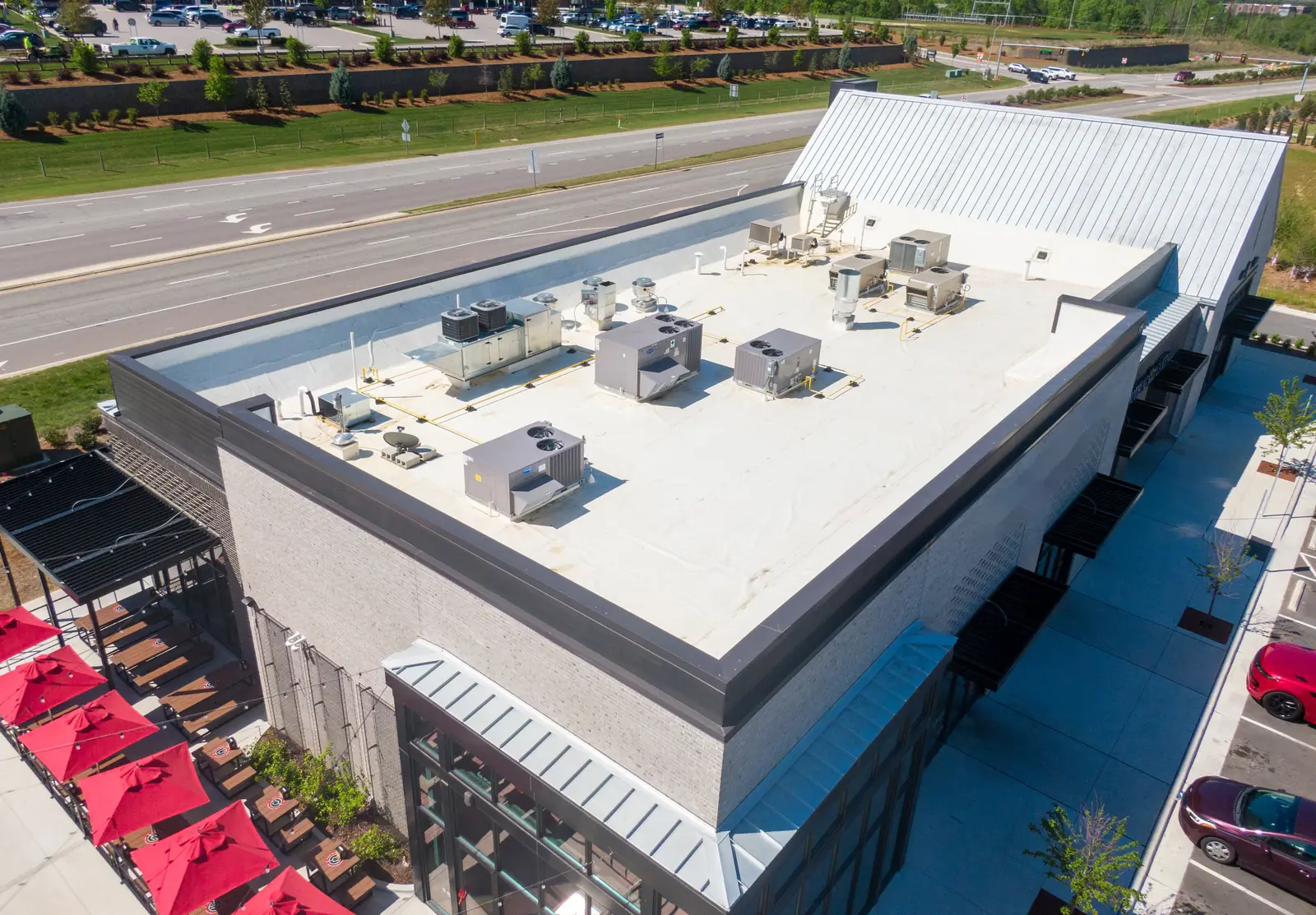
Commercial Rooftop Care
Rooftop Unit Repair & Maintenance in New Bern, NC
GP Heating & Cooling is a family-owned and locally-owned company based in New Bern, NC. Our commercial team repairs and maintains rooftop units for businesses that depend on steady heating and cooling, and we service units of any tonnage. Each visit begins with the controls, airflow, electrical components and gas section of the unit, followed by a plain-language explanation of what we find. Backed by 22 years of experience, we recommend only the repairs your building needs, and our planned maintenance keeps the unit on a set schedule.
Why Businesses Trust Us
The Habits Behind Every Rooftop Repair We Perform
A rooftop unit runs through every hot afternoon and cold morning your building sees, so a repair needs a clear diagnosis before any part is ordered. These six habits shape how our technicians work on every commercial unit.
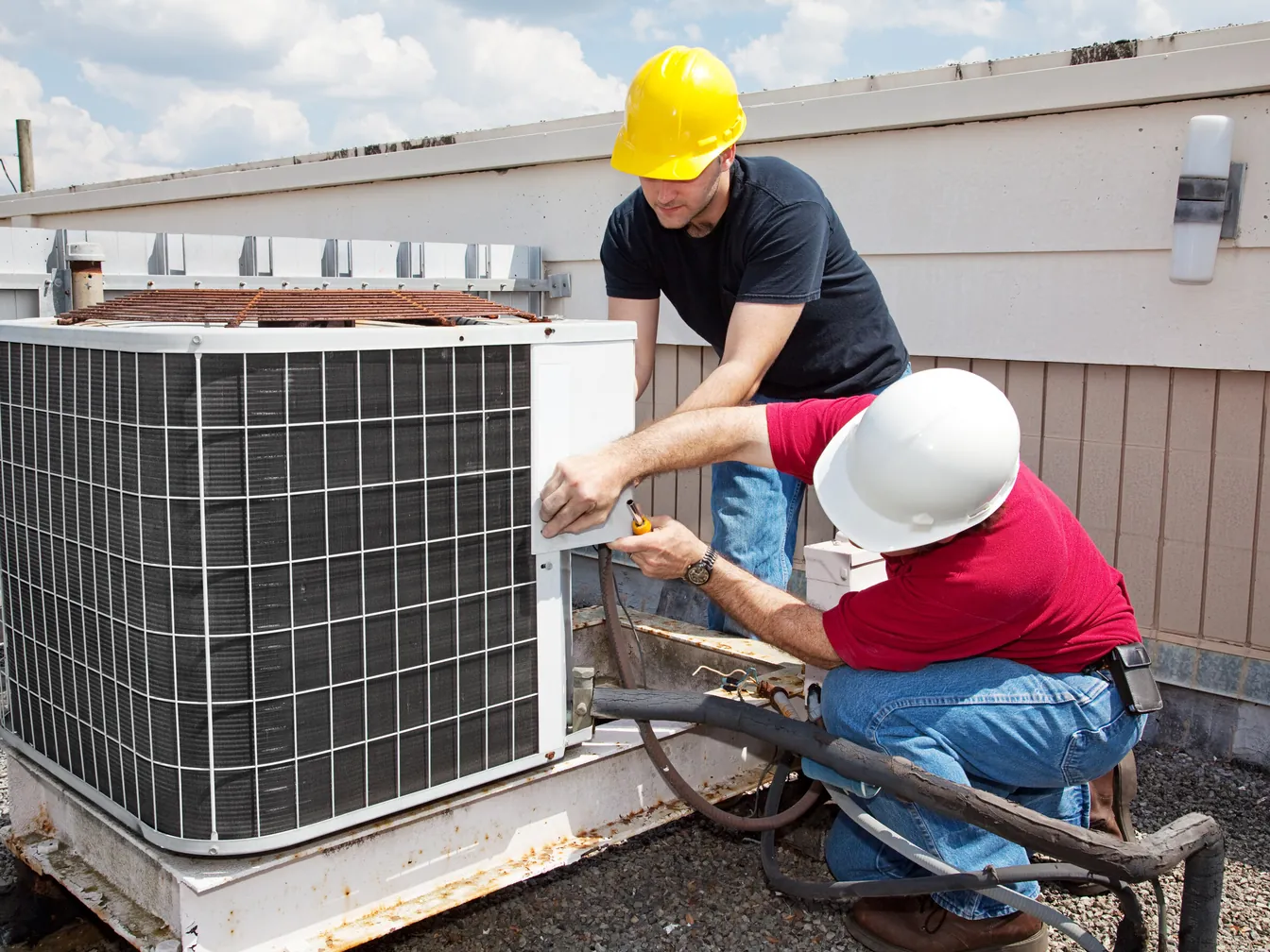
Family ownership that answers for the work
Our company is family-owned, and the people who take your call are the same people accountable for the repair. When a rooftop unit fails, you deal with the team that did the diagnosis and can explain it in plain terms. Read about our background on our About Us page.
Diagnosis before parts
We test the compressor circuit, fans, controls and gas section before we recommend a replacement component. Many rooftop problems come from one failed part, a loose connection or a dirty coil, and identifying the real cause keeps the repair focused on what the unit actually needs. We walk you through each finding before any part is installed.
Written findings your managers can share
After each visit you receive written notes that describe what we tested, what we found and which items are required versus recommended. Those notes give facilities staff and ownership what they need to decide on the work at their own pace.
Planned maintenance on a set calendar
Our GP Commercial Comfort Club maintenance plan schedules planned visits, so inspections and cleaning happen on a predictable calendar instead of only after a breakdown. Review our maintenance plans to see how planned care fits your property.
Visit windows agreed with you
We confirm visit times and access requirements with the person you designate, so tenants and staff know when technicians will be on the roof or in mechanical areas. We share updates when a repair needs more time, so the schedule stays clear for everyone involved.
Local sponsorships and neighborly accountability
We sponsor a local Christian school and a Sunday School recreation league. The businesses we serve are our neighbors, and we bring the same honest diagnosis to a rooftop repair that we bring to family homes.
Service Request
Share the Symptoms Your Building Is Showing
Describe the problems you are seeing, the age of the unit and the areas of the building that feel wrong, then send those details through our contact page. Our technicians come to your building to inspect the equipment, so the first step requires no equipment to be moved or sent anywhere. If the unit has reached the point where replacement makes more sense, our rooftop unit installation page explains that path. Our boiler service and repair page and chiller service and repair page cover the other commercial systems we service.
The Unit Cycles On and Off Too Often
Short cycling means the rooftop unit starts and stops more often than it should, which stresses the compressor and the electrical contactors. The cause may be a thermostat or control fault, a refrigerant problem, a dirty coil or a building load the unit cannot follow. We measure run times and temperatures to find the reason rather than guessing from the symptom alone.
Some Zones Stay Too Warm or Too Cold
When one part of a building never reaches its setpoint, the problem may sit in the ductwork, the dampers, the supply airflow or the unit’s heating or cooling capacity. Managers often notice this first in offices, back rooms or spaces at the far end of a long duct run. We check supply and return temperatures and airflow at each zone we can reach.
Ice on the Coil or Water Around the Unit
Ice forming on the indoor coil or water pooling beneath the unit usually points to restricted airflow, a refrigerant issue or a blocked condensate drain. Left alone, these conditions can damage components and create water problems in the space below. We inspect the coil, filters and drain line, then explain what must be corrected and in what order.
Unusual Noise From the Fans, Motors or Compressor
Grinding, squealing or loud rattling from the rooftop cabinet often signals a worn bearing, a loose belt, a failing motor or a compressor component that needs attention. Noise that changes over time deserves a closer look before it becomes a larger failure. Note when the sound happens, whether the unit is heating or cooling, and how long it lasts.
Rising Energy Use Without a Change in Operations
When utility bills climb while occupancy and operating hours stay the same, the rooftop unit may be working harder than it should. Dirty coils, a failing motor, economizer problems or a control stuck in the wrong mode can all raise energy use. We compare the unit’s performance with how it is designed to run, and we explain any difference in plain language.
Gas Odors, Burner Problems or Soot
If you smell gas, leave the building and contact your gas utility first, then call us once the area is safe. Burners that flicker, ignite unevenly or leave soot and scorch marks around the unit point to combustion problems that need inspection. We test the gas section, burners, heat exchanger and venting whenever these signs appear.
How We Service Your Unit
How a Rooftop Service Visit Unfolds
Every visit follows the same sequence, so facilities staff know what we check and what they will receive at the end.
Step 1 of 5
Review the Unit History and Reported Symptoms
We begin with the information your team has gathered, then confirm how the unit is behaving before we open the cabinet.
- Collect the make, model and any service records or past repairs the unit has had.
- Note the symptoms staff have reported, including when they occur and which zones are affected.
- Confirm the thermostat settings, schedules and occupancy patterns the unit is following.
- Ask about recent changes to the building, such as new equipment, added tenants or altered airflow.
- Agree on access, work windows and roof safety requirements before anyone climbs to the unit.
Step 2 of 5
Test Electrical Components, Contactors and Controls
Electrical faults cause many rooftop problems, so we test them before moving on to the mechanical components.
- Check line voltage, control voltage and the condition of wiring connections at the unit.
- Inspect contactors, capacitors and relays for wear, pitting or overheating.
- Test the thermostat, sensors and safety switches so each control responds as designed.
- Confirm that the disconnect and power supply match the unit’s nameplate requirements.
- Check whether the controls, economizer or staging sequence is calling for the correct operation.
Step 3 of 5
Check Airflow, Coils and Refrigerant Performance
Airflow and refrigerant performance affect capacity, efficiency and the comfort of every zone the unit serves.
- Measure supply and return temperatures and compare them with the unit’s operating range.
- Inspect the evaporator and condenser coils for dirt, damage or restricted airflow.
- Check blower and fan operation, belts and bearings where the unit has them.
- Evaluate refrigerant pressures and temperature readings against the unit’s design data.
- Look for signs of refrigerant leaks, oil staining or compressor stress.
Step 4 of 5
Inspect the Gas Section, Burners and Venting
Where the unit provides gas heat, we inspect the gas section for safe, efficient operation before the visit is closed out.
- Inspect burners, igniters and flame sensors for proper operation and cleanliness.
- Check gas pressures and combustion readings against the unit’s specifications.
- Look at the heat exchanger and venting for cracks, corrosion or blockage.
- Confirm that safety controls and limit switches respond correctly during a heating cycle.
- Identify any gas line concerns and note whether our commercial gas line team should review them.
Step 5 of 5
Deliver Written Findings and Next-Visit Recommendations
The visit ends with a written findings report, so your team can plan repairs and any follow-up work with full information.
- List the repairs completed, the tests performed and the readings recorded.
- Separate required repairs from recommended improvements, and explain the reason for each.
- Recommend the next planned visit and the components to watch between visits.
- Explain how a planned visit under our commercial maintenance plan keeps the unit on schedule.
- Keep the findings on file so future technicians can compare the unit’s condition over time.
Common Repairs
Rooftop Components We Service and Repair
Compressor and Refrigerant Circuit
Compressor problems and refrigerant leaks reduce capacity and can shorten the life of the whole system. We test pressures, check the circuit for leaks and evaluate whether the compressor can be repaired or needs replacement.
Supply and Return Fans and Motors
Worn bearings, failing capacitors and loose belts can stop airflow to the building. We test motors, adjust belts and replace worn parts so the fans move the air the system was designed to deliver.
Contactors, Relays and Electrical Controls
Contactors and relays wear over time, and a failing one can leave a compressor or fan without power. We test each device, confirm wiring integrity and replace parts that no longer switch reliably.
Thermostats, Sensors and Control Boards
A faulty sensor or control board can make a unit run at the wrong times or in the wrong mode. We verify sensor readings, check control settings and replace components that send incorrect signals.
Gas Burners, Igniters and Heat Exchangers
Dirty burners, weak igniters and cracked heat exchangers reduce heating performance and create safety concerns. We clean and test burners, verify ignition and inspect the heat exchanger for damage.
Economizers, Dampers and Outdoor Air Controls
Economizers bring outside air into the building when conditions allow, and a stuck damper can waste energy or disrupt ventilation. We test actuators, linkages and damper position against the controls.
Condensate Drains and Drain Pans
Clogged drain lines and cracked pans let water escape onto the roof or into the space below. We clear drain lines, inspect pans and confirm the drain slopes correctly so condensate leaves the unit.
Coils, Filters and Airflow Restrictions
Dirty coils and restricted filter racks reduce efficiency and can cause ice or short cycling. We clean coils where access allows, check filter racks and flag restrictions that limit airflow.
Common Questions
Questions Property Managers Ask About Rooftop Service
A unit can run normally while losing capacity. Common causes include a low refrigerant charge from a leak, a dirty evaporator or condenser coil, a failing compressor component or restricted airflow through the ductwork. Because several causes produce the same symptom, we measure temperatures, pressures and airflow before recommending a repair. You receive those readings with our findings, so you can see why a particular fix is needed.
A planned visit is a structured inspection, not a quick look at the cabinet. Our technicians check electrical connections and controls, measure airflow and temperatures, inspect coils and filters, test safety devices and review the gas section where the unit provides heat. Components are cleaned where access allows, and the readings are documented. The visit ends with notes on what was done and what to watch before the next visit.
Burners, igniters, heat exchangers and venting are exposed to dust, moisture and cycling stress, and small problems can grow during long stretches of use. An inspection before the heating season checks ignition, combustion readings and safety controls while there is time to plan any repairs. We explain each finding in writing and recommend only the work the inspection supports.
Water usually collects when the condensate drain is clogged, the drain pan is cracked, the drain line lacks proper slope or the condensate trap is not working correctly. We clear the line, inspect the pan and confirm that condensate leaves the unit as designed. If water reaches the roof membrane or a ceiling below, we note the location so roofing or building repairs can be arranged separately.
Electrical faults and mechanical wear can produce similar symptoms, such as a compressor that will not start or a fan that stops. We separate them by testing voltage, amperage and control signals, then checking the mechanical parts under load. A weak capacitor, a failing contactor or an open safety switch points to electrical trouble, while a seized bearing or worn motor shows up in current draw and noise.
An economizer brings outside air into the building when temperature and humidity conditions allow, which can reduce the work the compressor does. When an actuator, linkage or damper stops responding, the unit may draw in too much or too little outside air, waste energy or disrupt the building’s ventilation. We test the damper’s movement, check its control signal and confirm that the reported position matches the controls.
Many repairs can be divided into stages. When a job involves several components or roof access, we can sequence the work so the items that affect comfort most are completed first and the rest follow in a window that suits your business. We explain which items affect comfort or safety, which can wait and how each stage will be completed. Before any stage begins, we agree on access, timing and tenant notice.
After a repair, you receive written findings that describe the work completed, the tests performed and the readings recorded. The notes list required repairs separately from recommendations, so managers can decide what to approve and when. We also keep service documentation on file, so future technicians can see which components have been replaced, adjusted or cleaned over the life of the unit.
Short cycling means the unit starts and stops more often than it should. It matters because repeated starts stress the compressor, contactors and motors, and the building may not reach its setpoint between cycles. The cause can be a control fault, a refrigerant problem, a dirty coil or a load the unit cannot follow. We record run times and temperatures to identify the cause before recommending a fix.
Facilities staff can keep a simple log of the unit’s behavior, including comfort complaints by zone, unusual sounds, water near the unit, changes in energy use and any warning lights on the controls. Note the date, time and conditions when each item appears. Sharing that record with our technicians before the next visit helps them focus on the right components and plan repairs with less disruption to your operations.
Communities We Reach
Communities We Reach From Our New Bern Office
Rooftop service visits reach these North Carolina communities from our New Bern office, and each one begins with the same inspection sequence. For a broader look at our coverage, see our service area overview.
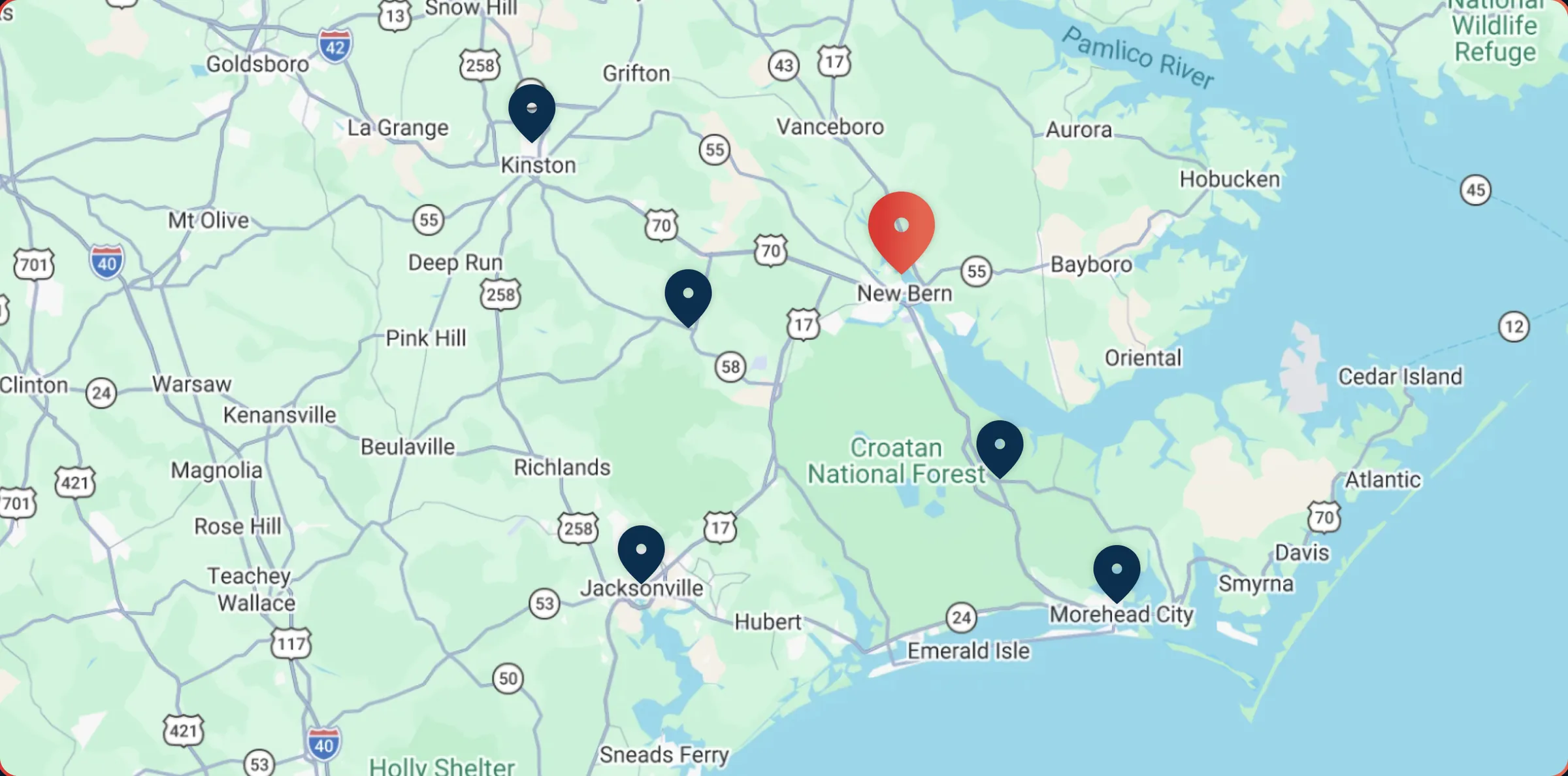
- New Bern, NC
- Morehead City, NC
- Jacksonville, NC
- Havelock, NC
- Trenton, NC
- Kinston, NC
Additional Communities Served
Don’t see your town listed? We regularly help customers in nearby communities throughout the region. Give us a call and we’ll let you know if we can reach you.
Other Building Systems
Other Commercial and Building Systems We Service
Some buildings need more than rooftop care, so these related services are worth comparing as your equipment list grows.
Commercial boiler service and repair
Service and repair for commercial boilers already in place, with controls and safety devices tested.
Learn More about Commercial boiler service and repairCommercial chiller service and repair
Service and repair for chillers that cool your building, from routine checks to fault diagnosis.
Learn More about Commercial chiller service and repairCommercial gas line services
Gas line work for commercial properties, including the lines that feed rooftop equipment.
Learn More about Commercial gas line servicesRooftop unit installation
New rooftop units of any tonnage, planned around the load, roof and ductwork of your building.
Learn More about Rooftop unit installationCustom sheet metal fabrication
Custom ductwork pieces for installations and repairs that need a precise fit.
Learn More about Custom sheet metal fabricationDuct sealing
Sealing ductwork so conditioned air reaches the spaces it is meant to serve.
Learn More about Duct sealing
Plan Your Next Step
Your New Bern Commercial HVAC Contractor for Rooftop Care
Rooftop units carry much of the comfort load for commercial buildings, so repairs and planned maintenance deserve careful attention from the first call. Tell us about the unit, the zones that struggle and the warning signs you have noticed, and our team will review the equipment on site. We explain our findings in plain language and recommend only the work that supports how your business runs.
Service Finance is available for qualifying projects, so a larger repair or a phased upgrade can be planned around monthly payments. Our maintenance plan adds planned care for commercial equipment, keeping inspections on a predictable calendar.
Whether your building sits in New Bern or in one of the five communities we serve, our team welcomes questions about the inspection process, the findings and the options. You can also review our full range of services to see how rooftop care fits with heating, cooling and gas line work. When you are ready, reach out and we will explain what we find before recommending anything.