
Geothermal Repair and Service
Geothermal Repair in New Bern, NC
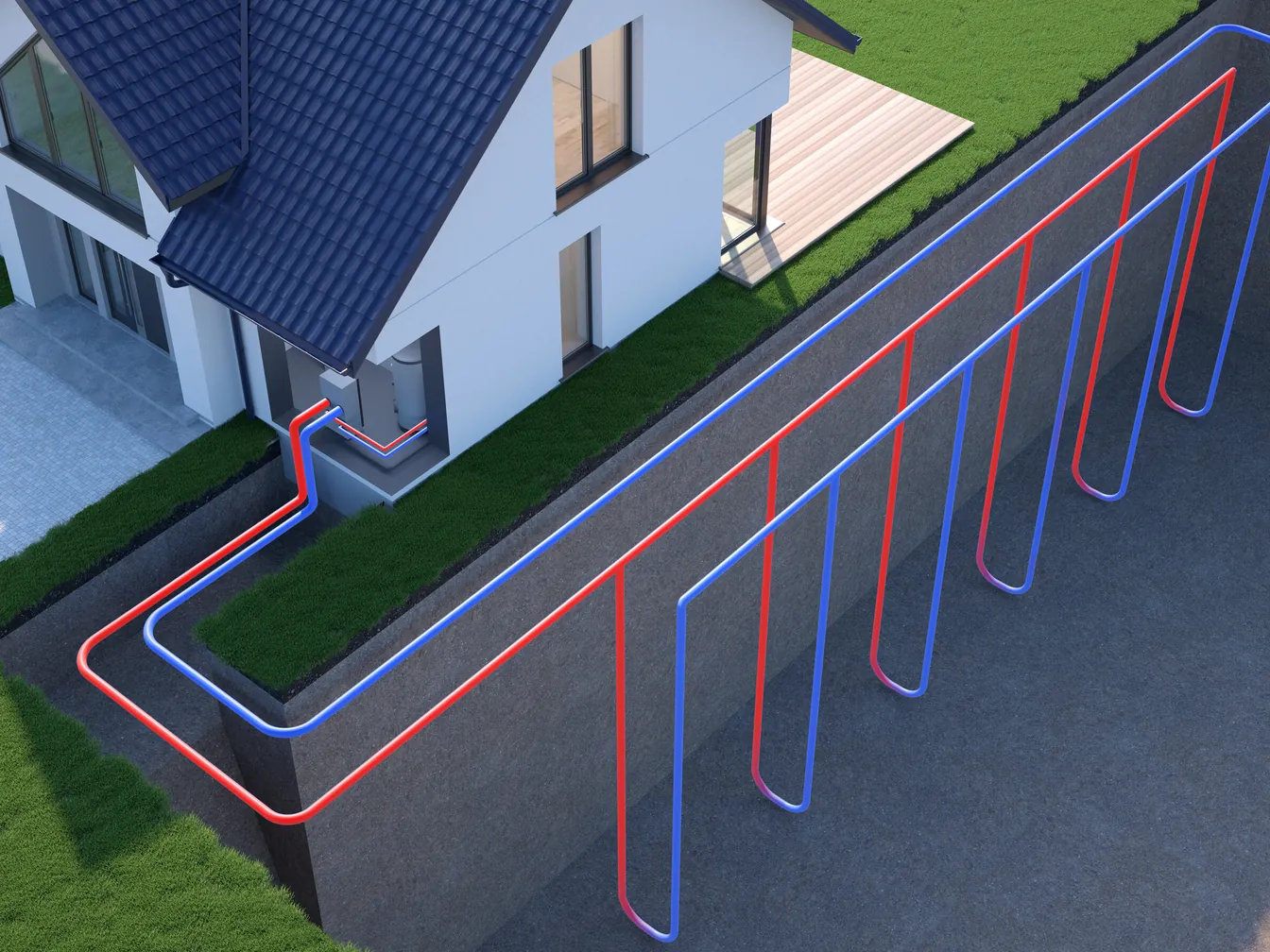
GP Heating & Cooling is a family-owned and locally-owned company based in New Bern, NC. Geothermal systems move heat through a buried ground loop and an indoor heat pump, so a fault can come from the loop, the circulator, the refrigerant circuit or the controls. Our technicians measure each part of that chain before recommending any work, then explain the findings in plain language. Backed by 22 years of experience, we would rather show you the cause than guess at a part.
Geothermal Care Commitments
Why New Bern Homeowners Trust Our Heating Company for Geothermal Repairs
A geothermal system is a long-term investment in the home, so we treat each repair as a careful diagnosis of a connected system. These six commitments guide every service visit.
Family ownership that answers for the work
Our company is family-owned, and the people who schedule your geothermal visit are the same people accountable for the result. When a ground-source system loses heating or cooling capacity, we want you to know the cause before any component is replaced. You can read about the people behind the company on our About Us page.
Local ownership invested in long-term system health
We are locally owned and operated, so the technicians who diagnose your geothermal unit are part of the community they serve. That local accountability keeps our attention on the long-term health of your system rather than on a single visit.
Measured diagnosis for buried-loop systems
Geothermal faults often appear as small changes in pressure, flow or temperature. We record readings at the equipment and at the accessible loop connections, so each decision rests on data rather than assumptions.
Experience across heating and cooling equipment
Our work reflects 22 years of experience in heating and cooling, and we are an Armstrong ProTeam Dealer and a Ducane dealer. Many controls and airflow principles overlap with the ducted systems we service every day, which helps our team trace symptoms across the whole home comfort system.
Financing for larger decisions
When a diagnosis points toward a major component or a bigger project, Service Finance can help that work fit into manageable monthly payments. Review our financing options before you choose a path.
Clear findings before any approval
We explain each finding before work begins, separate required items from those that can wait, and document what we tested. You can weigh each option at your own pace, with the readings in front of you.
Share Your System Details
Tell Us How Your Geothermal System Is Performing
Describe whether the home fails to reach the set temperature, whether the indoor unit makes new sounds, and when the problem began. Send those details through our contact page, and our team will follow up to confirm next steps. Our technicians come to your home, and if the diagnosis shows that a different system suits the property better, we can walk you through central air conditioning repair, furnace repair or our ducted heat pump options.
Early Warning Signs
Geothermal Symptoms That Call for a Closer Look
A geothermal system often gives signals long before the home loses comfort. Each sign below points to a different part of the system, so a closer look is worth scheduling.
Loop Pressure That Keeps Dropping
A ground loop that loses pressure over time often points to a leak, trapped air or a fitting that has worked loose. The system may run for a while on reduced fluid, then struggle to move heat as the pressure falls. We measure loop pressure and check accessible fittings before deciding whether the loop or a connection is responsible.
Circulator Pump Noise or Weak Flow
A pump that gurgles, rattles or runs at the wrong speed can restrict the fluid moving through the loop. Reduced flow lowers heat transfer, so the indoor unit may run long without reaching the set temperature. We check pump operation, electrical draw and flow readings to see whether the pump, the loop or a valve is limiting the system.
Long Run Times Without Comfort
A geothermal system that runs almost constantly yet leaves rooms too warm or too cool is working harder than it should. The cause may be reduced loop flow, a refrigerant problem, a restricted filter or a thermostat that is not communicating correctly. We compare run times, supply temperatures and airflow so the readings point to the limiting factor.
Unusual Sounds From the Indoor Unit
Hissing, banging or grinding from the indoor cabinet is not normal for a heat pump. Each sound points to a different source, such as the compressor, a reversing valve, a loose panel or a blower that is out of balance. We listen during the diagnosis and trace the source before any part is replaced.
Higher Electric Bills With No Change in Use
Rising electricity use while thermostat settings stay the same can signal reduced performance. Worn components, low loop flow and restricted airflow can each draw extra power. We measure electrical draw and system temperatures, so you know whether the equipment or the home is responsible.
The Geothermal Repair Sequence
How a Geothermal Service Visit Unfolds
Each visit follows a fixed order, starting with the system history and ending with written test data. We want the cause identified and explained before any component is replaced.
Step 1 of 5
Review the System History and Thermostat Settings
We start with what the system has been doing, since timing and patterns often narrow the search.
- Describe the comfort problem, including which rooms or hours are affected.
- Share thermostat settings, recent run times and any changes made to the home.
- Note recent service, filter changes or work performed by another company.
- Confirm the make and model of the indoor unit and loop components, if you know them.
- Request a visit through our contact page, and our team will confirm a time with you.
Step 2 of 5
Inspect the Indoor Unit and Electrical Controls
The indoor cabinet holds the controls that decide whether the system runs, so we check those first.
- Check thermostat wiring, the control board and safety switches for correct response.
- Inspect contactors, capacitors and electrical connections for wear or loose terminals.
- Confirm the circulator and blower operate at their expected speeds.
- Look for water, staining or corrosion around the cabinet and its fittings.
- Verify that the unit shuts down correctly when a safety control trips.
Step 3 of 5
Measure Loop Pressure, Flow and Fluid Condition
The ground loop carries the heat, so its pressure and flow show how well the system is working.
- Read loop pressure at the flow center and compare it with the system’s operating range.
- Check flow through the loop and the operating condition of the pump.
- Inspect valves, fittings and accessible loop connections for leaks or restrictions.
- Note any trapped air and bleed it from the points we can reach.
- Record every reading so later visits can compare results against this baseline.
Step 4 of 5
Test the Refrigerant Circuit and Heat Transfer
Once the loop checks out, we measure how well the heat pump moves heat between the loop and the home.
- Measure supply and return temperatures on both the loop side and the air side.
- Check refrigerant pressures and temperatures against the unit’s operating data.
- Test reversing valve and compressor operation in both heating and cooling modes.
- Compare airflow with the duct design, and note where custom sheet metal fabrication may be needed for a precise duct fit.
- Separate required repairs from observations that should simply be monitored.
Step 5 of 5
Retest the System and Deliver the Written Record
We complete only the approved work, then test the system through full cycles before we leave.
- Repair or replace only the components identified during diagnosis and approved by you.
- Confirm loop pressure, flow and refrigerant readings after the repair.
- Run the system through heating and cooling cycles and check temperatures at several rooms.
- Provide a written record of the readings, the parts replaced and any manufacturer warranty information that applies.
- Recommend a planned check before the next heating or cooling season, and answer your questions before we leave.
Geothermal Parts We Service
Geothermal Components We Test and Repair
Each component below has a specific job in moving heat between the ground loop and the home.
Ground Loop Connections
The buried loop depends on sound connections at the flow center and at accessible fittings. We test each joint we can reach and correct leaks that affect pressure.
Flow Center and Circulator Pump
The flow center directs fluid through the loop, and the circulator keeps it moving at the right rate. We check pump operation, flow readings and valve positions.
Loop Pressure and Fluid Level
Pressure that drops or swings can point to a leak or trapped air. We measure pressure and address the cause rather than repeatedly adding fluid.
Reversing Valve
The reversing valve switches the heat pump between heating and cooling. When it sticks or leaks internally, the system can lose capacity or run in the wrong mode. We test valve operation in both modes.
Compressor and Refrigerant Circuit
Operating pressures and temperatures reveal the condition of the compressor. We measure readings, look for abnormal values and confirm the charge before drawing conclusions.
Thermostat, Controls and Wiring
The control system decides when the heat pump runs and which mode it uses. We confirm settings, wiring and control responses before blaming the equipment.
Blower, Filter and Airflow
Restricted airflow can make a geothermal system look faulty when the equipment is sound. We check the blower, filter, return path and supply registers before recommending duct work.
Contactors and Safety Switches
Contactors carry the load to the compressor and blower, and safety switches guard against abnormal conditions. We test each device and replace parts only when readings confirm a failure.
Common Questions
Geothermal Repair Questions Answered
A geothermal system exchanges heat with a buried fluid loop instead of the outside air, so repair starts with the loop, flow center and pump as well as the refrigerant circuit. Those parts change how the unit behaves, so a loop problem can look like a compressor problem. We test both sides together before any component is replaced. For ducted air-source units, see our ducted heat pump repair page.
Low pressure usually means fluid has leaked from the loop or air has entered the piping. The system may still run, but reduced fluid can limit heat transfer and leave rooms short of comfort. We measure the pressure, look for leaks at accessible fittings and check the flow center before recommending any repair. Adding fluid without finding the source only postpones the problem, so we explain the cause and your options first.
The circulator pushes fluid through the loop and the heat exchanger inside the unit. If it runs weakly, makes unusual noise or cycles unexpectedly, heat transfer drops and the indoor unit may struggle to reach the set temperature. We measure pump operation, flow and electrical draw to determine whether the pump, a valve or a loop restriction is responsible. The pump is replaced only when readings confirm a failure.
Yes, and many comfort complaints come from airflow rather than the heat pump itself. Closed registers, restricted returns, a dirty filter or leaking ductwork can keep the system from moving enough air to satisfy the thermostat. We measure airflow and temperature at several rooms before recommending changes. When a precise duct fit is needed, we explain the options, and we recommend duct work only when testing supports it.
Long run times without comfort usually mean the system is delivering less heat or cooling than it should. Reduced loop flow, a refrigerant problem, restricted airflow and a thermostat that is not communicating correctly are common causes. We compare run times, supply temperatures and loop readings to see which factor is limiting the system. Once that factor is identified, we explain the repair and what the readings show about the rest of the equipment.
We look at the condition of the loop, refrigerant circuit and cabinet, along with how often the system has needed attention. A single confirmed failure with the rest of the equipment sound usually supports a straightforward repair. When test readings and repair history point to a system nearing the end of its service life, we tell you plainly what we found so you can plan your next step. The decision stays with you.
Our geothermal repair and service work begins with the components we can test from the equipment and the accessible loop connections. We check pressure, flow, fittings and fluid condition at those points. If the readings suggest a fault in buried piping, we explain what the measurements show, what can be verified without digging and which options remain. We will not move beyond the accessible components without explaining those findings and getting your approval first.
Filtration, humidity control and UV lights can all connect to the air handler and the airflow path. A high-restriction filter or an improperly matched accessory can reduce airflow, which affects heat transfer and comfort. When we service the system, we check filter condition and airflow so accessories do not create the problem we are trying to diagnose. For cleaner air alongside your comfort system, explore our indoor air quality solutions.
Our company does not list a geothermal equipment brand among the lines we represent. If your system carries a different brand, describe the manufacturer, model, age and symptoms when you contact us. We will tell you whether our technicians can evaluate and support that equipment before a visit is scheduled. Honest answers come first, including the answer that another specialist may serve you better.
After each visit, you receive a written record that explains the cause, the work performed and the parts replaced. The record includes the readings we took, such as loop pressure, flow, temperatures and electrical draw where they were measured. If a replacement part carries manufacturer warranty information, we include it so you have a reference for future service. Keep it with your home documents, and ask us about any reading you do not understand.
Coverage Area
Geothermal Service Across Our Five Communities
Our geothermal technicians work from our New Bern office and serve these North Carolina communities. For a broader view of our coverage, see our service area overview.
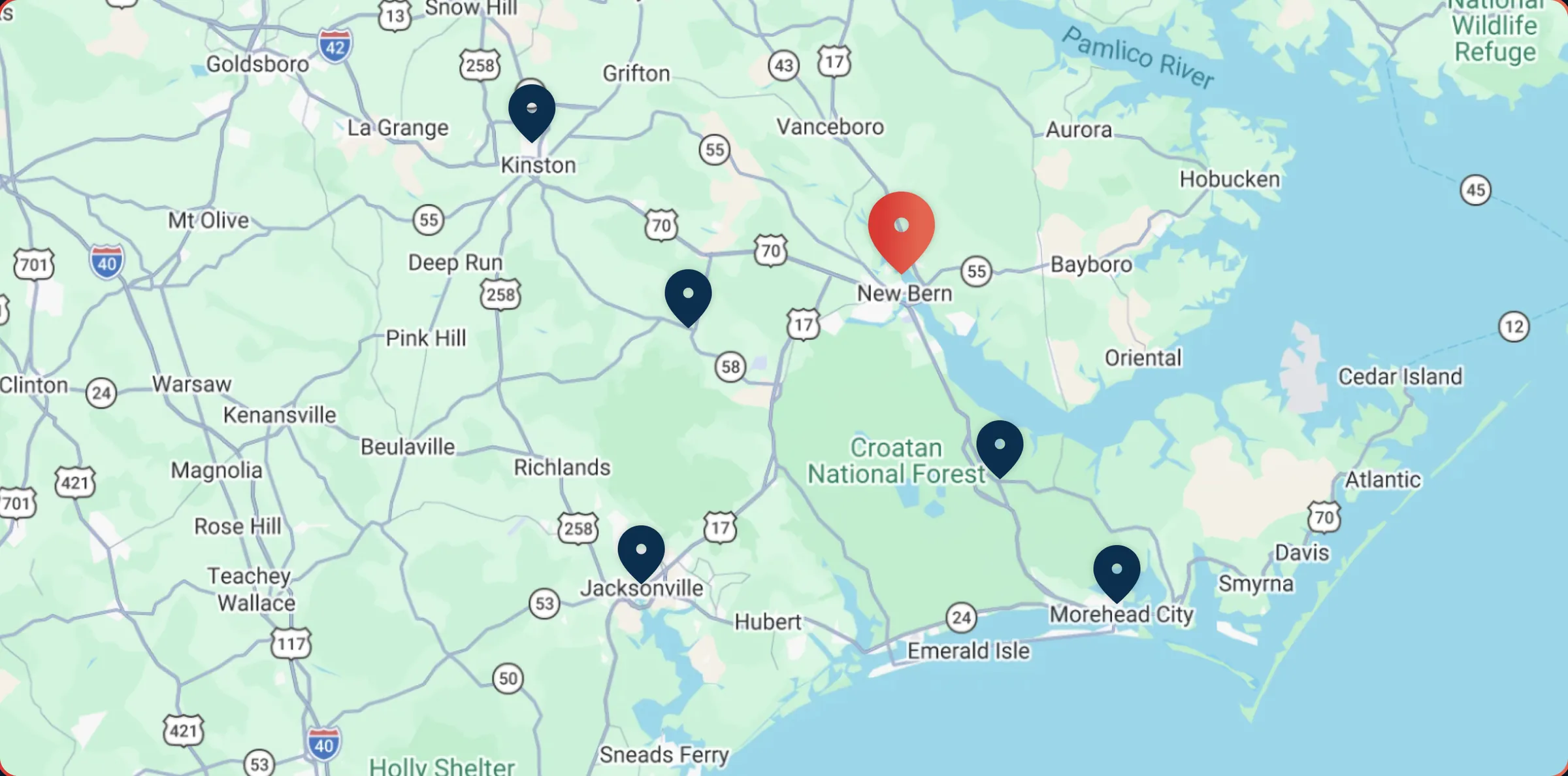
- New Bern, NC
- Morehead City, NC
- Jacksonville, NC
- Havelock, NC
- Trenton, NC
- Kinston, NC

Additional Communities Served
Don’t see your town listed? We regularly help customers in nearby communities throughout the region. Give us a call and we’ll let you know if we can reach you.
Related Comfort Systems
Other Comfort Systems We Service Across Our Range
Many homes with a geothermal system also rely on the equipment below, and we diagnose each one with the same care.
Central air conditioning
Repair, maintenance and installation for central AC systems that share ductwork with a heat pump.
Learn More about Central air conditioningMini-split systems
Ductless heating and cooling for rooms and additions the ductwork does not reach.
Learn More about Mini-split systemsPackage units
Single-cabinet heating and cooling systems for homes that need an all-in-one solution.
Learn More about Package unitsMobile and modular home services
Heating, air conditioning and heat pump service for mobile and modular homes.
Learn More about Mobile and modular home servicesCommercial HVAC
Rooftop units, boilers and chillers for businesses in our service area.
Learn More about Commercial HVAC
Next Step
Your New Bern Geothermal Repair Contact
A geothermal system that loses capacity, runs without comfort or makes new sounds deserves a careful diagnosis rather than a guess. Our technicians test the loop, the circulator, the refrigerant circuit and the controls, then explain what we find in plain language. We would rather give you a clear picture than recommend work you do not need, and you will leave with a written record of the findings.
If the diagnosis points toward a larger decision, Service Finance may help that project fit into manageable monthly payments. Our maintenance plan can also help you keep the rest of your home’s heating and cooling equipment on a planned schedule, so developing problems have more chances to be found early. Both options are explained in plain terms during the visit, and you can weigh them at your own pace.
Whether you live in New Bern or in one of the communities we serve nearby, you can explore our full range of services to see how geothermal repair fits alongside the rest of your heating and cooling. When you are ready, describe what your system is doing and reach out to our team. We will explain what we find and what we recommend, so you can decide with clear expectations at every stage.