

Mobile and Modular Home Comfort
Mobile and Modular Home HVAC in New Bern, NC
GP Heating & Cooling is a family-owned and locally-owned company based in New Bern, NC. Manufactured homes differ from site-built houses in how heating and cooling reach the rooms, because ductwork may run beneath the floor and equipment may sit beside the home or in a crawl space. Our technicians account for that layout from the start, so the diagnosis follows the way air actually moves through your home. Backed by 22 years of experience, we provide heating, central air conditioning and heat pump service, and we explain each finding before any work begins.
Why Homeowners Choose Us
Why New Bern Homeowners Call Our Mobile Home HVAC Company
Manufactured and modular homes ask a technician to think about the floor, the crawl space and the way air is routed through a lightweight structure. These six commitments shape how we approach every visit.
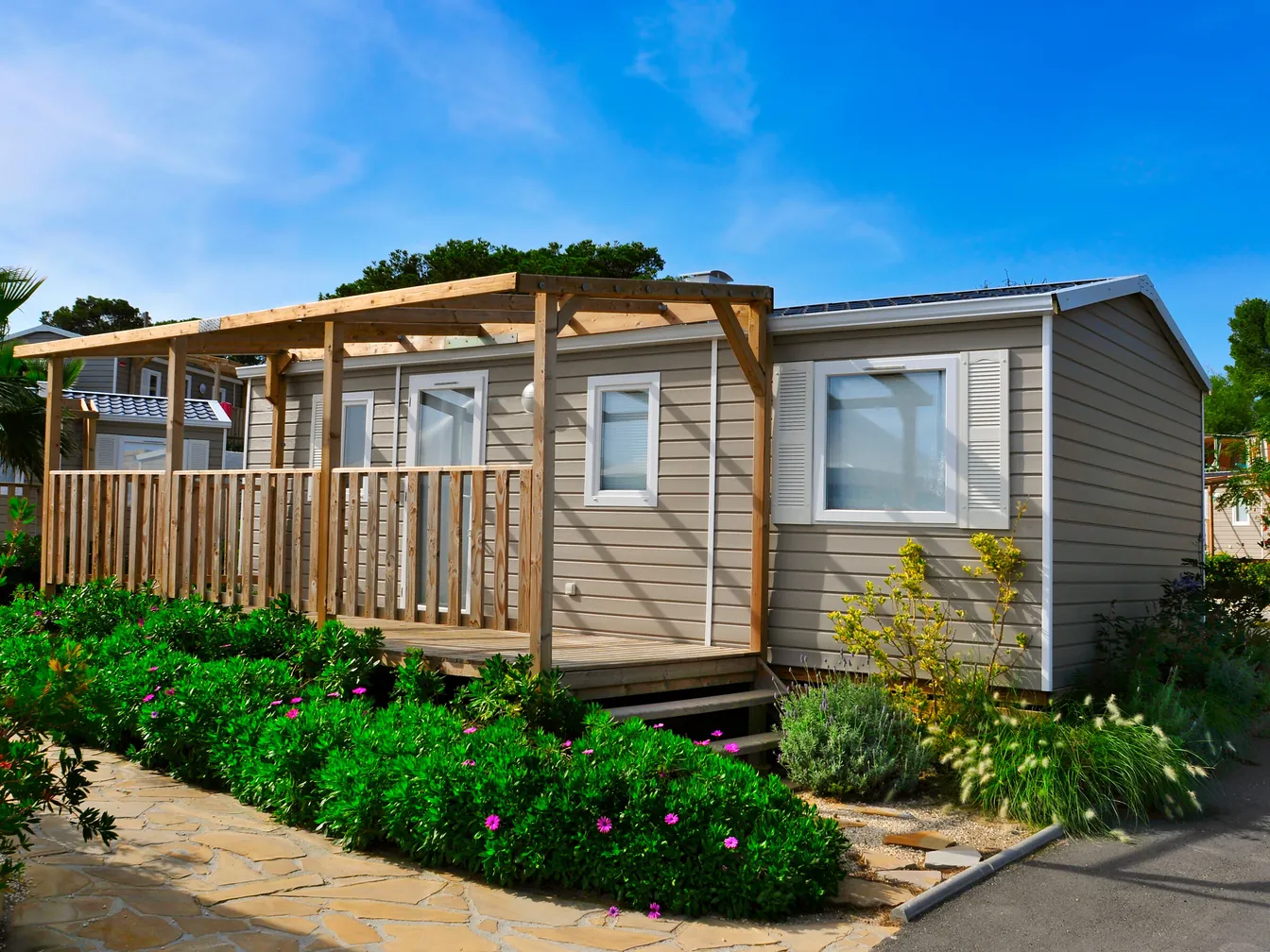
Family ownership in a home you live in
Our company is family-owned, and the people who answer your call are accountable for the work they do. In a manufactured home, the heating and cooling equipment often carries the household’s comfort every day, so we approach each repair with a personal sense of responsibility. You can learn more about the team on our About Us page.
Local ownership and community ties
We are locally owned and operated, based in New Bern. Our technicians work in the communities around us, and we sponsor a local Christian School and a Sunday School recreation league. That local accountability keeps our attention on how your system performs across many seasons.
Layout-aware diagnosis
Ductwork beneath a manufactured home can lose air through connections that are hard to see. We check the duct runs we can reach, the supply and return paths and the equipment connections before we place blame on the heating or cooling unit.
22 years of experience in heating and cooling
Our work reflects 22 years of experience, and we are an Armstrong ProTeam Dealer and a Ducane dealer. Those dealer relationships give our technicians direct familiarity with the equipment lines we represent.
Financing for larger decisions
When a diagnosis points toward a bigger project, Service Finance can help spread the cost into manageable monthly payments. Review our financing options before you decide on a path.
Clear findings before approval
We explain each finding in plain language, separate required items from those that can wait, and document what we tested. You can weigh each option with the readings in front of you.
Share Your Home Details
Tell Us How Your Manufactured Home Is Performing
Describe which rooms stay too warm or too cold, whether the system makes new sounds, and when the problem started. Send those details through our contact page, and our team will follow up to confirm next steps. Our technicians come to your home, so there is no need to bring equipment anywhere. If the diagnosis points toward a different approach, we can walk you through furnace repair, central air conditioning repair or heat pump repair.
Early Warning Signs
Symptoms That Call for a Closer Look at Your Home System
Manufactured homes often reveal problems through the floors, the walls and the rooms farthest from the equipment. The signs below can help you decide when to schedule a diagnosis.
Rooms Stay Uneven in Temperature
A room at the far end of the home, or one above a crawl space, that runs cold while the thermostat room stays comfortable often points to restricted or leaking ductwork rather than a faulty unit. Duct runs beneath the floor can lose air at joints that are hard to inspect without access. We measure supply and return air at several rooms to find where the air is going.
Cold or Drafty Floors
Floors that feel cold near a supply register, or drafts rising through the floor, can indicate a duct connection that has separated or insulation that has shifted under the home. Air that escapes before it reaches the room makes the system run longer without adding comfort. We check the accessible duct runs and register connections to locate the loss.
Musty Odors or Moisture Near the Equipment
A damp smell from the vents or moisture around the equipment area may mean condensate is not draining correctly, or that the crawl space is holding humidity. Either condition can affect the system and the materials around it. We check drain lines, the condensate pan and the surrounding area before recommending any change.
Short Cycling or Run Times That Never End
A system that switches on and off quickly, or one that runs almost continuously without reaching the set temperature, is working against a problem. Restricted airflow, a clogged filter, low refrigerant or a failing component can each cause this pattern. We record cycle timing and operating readings so the findings point to the actual cause.
Outdoor Unit Noise or Ice Buildup
Rattling, grinding or buzzing from the outdoor unit can point to a loose panel, a failing fan motor or a worn compressor component. Ice that forms on the outdoor coil during operation can point to airflow or refrigerant issues. We inspect the unit, its mounting and its clearances before deciding on a repair.
The Manufactured Home Visit
What Happens During a Mobile or Modular Home Service Visit
Each visit starts with the home’s layout and ends with written findings. We want the cause identified before any part is replaced.
Step 1 of 5
Review the Home Layout and Equipment Location
We begin with how the home is built and where the heating and cooling equipment sits, because that shapes every later step.
- Describe whether the home is a single-section or multi-section structure.
- Identify where the outdoor unit, air handler or furnace is located.
- Share thermostat settings, recent run times and the rooms that feel different.
- Note any recent repairs, filter changes or work performed under the home.
- Describe the skirting, crawl space access and any stored items near the equipment.
Step 2 of 5
Inspect the Equipment and Electrical Connections
The equipment cabinet holds the controls that decide whether the system runs, so we check those first.
- Check thermostat wiring, the control board and safety switches for correct response.
- Inspect contactors, capacitors and electrical connections for wear or loose terminals.
- Confirm the blower or furnace operates at its expected speeds and temperatures.
- Look for corrosion, water staining or animal damage around the equipment area.
- Verify that safety controls shut the system down when they should.
Step 3 of 5
Trace the Ductwork Under the Floor and Through the Walls
Ductwork is often where manufactured homes lose comfort, so we follow the air from the equipment to every register we can reach.
- Inspect accessible duct runs for separated joints, crushed sections and loose tape or sealant.
- Check supply and return paths for blockage, closed dampers and restricted grilles.
- Look for insulation gaps and moisture near duct runs in the crawl space.
- Measure supply air temperatures at several registers, including rooms far from the equipment.
- Record the readings and mark the locations where air appears to be lost.
Step 4 of 5
Test Heating, Cooling and Heat Pump Operation
Once the air path is clear, we confirm that each function of the system performs as designed.
- Run the system in heating and cooling modes to confirm each function.
- Measure the temperature rise or drop across the heating or cooling coil.
- Check refrigerant pressures and temperatures against the unit’s operating data.
- Test reversing valve and defrost operation wherever the equipment includes a heat pump.
- Separate required repairs from observations that should simply be monitored.
Step 5 of 5
Deliver Findings, Repairs and a Written Record
We complete only the approved work, then retest the system before we leave.
- Repair or replace only the components identified during diagnosis and approved by you.
- Retest the system after each repair and record the new readings.
- Explain how the duct and airflow findings affect comfort in the rooms you described.
- Provide a written record of the readings, the parts replaced and any manufacturer warranty information that applies.
- Answer your questions before we leave and recommend a planned check before the next season.
Manufactured Home Components
Heating, Cooling and Airflow Components We Service
Each component below affects how a manufactured home heats and cools, and each one is tested before we recommend a change.
Ductwork Under the Floor
Ducts run beneath many manufactured homes, where joints and connections are harder to see. We test the runs we can reach, seal the leaks we find and explain what we recommend.
Furnace Burners and Controls
Furnaces depend on clean burners, reliable ignition and properly working controls. We check each stage of operation and test safety switches before drawing conclusions.
Central AC Condenser and Coil
The outdoor condenser and indoor coil move heat as refrigerant changes state. We measure pressures, check airflow across the coil and repair or clean components as your system requires.
Heat Pump Reversing Valve and Defrost
The reversing valve switches the heat pump between heating and cooling, while defrost controls manage ice on the outdoor coil. We test both in each operating mode and watch for abnormal cycling.
Blower and Airflow Controls
Airflow determines whether conditioned air reaches the rooms. We check blower speed, filter condition, return paths and registers before recommending any equipment change.
Thermostats and Safety Controls
Thermostats, limit switches and safety controls protect the system and tell it when to run. We confirm settings, wiring and responses before blaming the equipment.
Refrigerant Lines and Connections
Line sets and connections carry refrigerant between the indoor and outdoor units. We inspect insulation, fittings and clearances, then test pressures to confirm the circuit.
Venting and Flue Connections
Flue and vent pathways must stay clear and properly connected so the system exhausts safely. We inspect venting for damage, corrosion and secure connections during heating service.
Common Questions
Mobile and Modular Home HVAC Questions Answered
Our mobile and modular home work covers heating, central air conditioning and heat pumps. Water heating is not part of this service, so please contact us about any other equipment. Our team will confirm which equipment we can evaluate once you describe the home. Each property has its own layout, so we review your system before recommending any work.
Manufactured and modular homes often route ductwork beneath the floor, place equipment beside the structure or in a crawl space, and use framing that changes how air moves. Those differences affect where airflow is lost and how equipment must be reached. We plan each visit around the home’s construction and explain any access limits before we begin, so the diagnosis matches how your home actually distributes air.
Access is one of the first things we check on every visit. Equipment in a crawl space or behind skirting can require careful access, so describe the skirting, any stored items and the condition of the crawl space when you contact us. Our team will explain what access is needed before the visit. Clearing the area in advance helps, and we will point out any concern before work begins.
Ducts that run beneath the floor carry conditioned air to the rooms, so a leak, crushed section or loose connection reduces what reaches the registers. Homeowners often notice cold floors, uneven rooms or a system that runs longer than expected. Because these losses are hard to see, we measure supply temperatures and airflow at several registers. When testing shows a problem, we explain where the air escapes and which repair addresses it.
Yes. Central air conditioning in a manufactured home uses an outdoor condenser, an indoor coil and ductwork much like a site-built house, but the layout and clearances around the equipment can differ. We check refrigerant pressures, airflow across the coil and electrical components before recommending a repair. If the existing system no longer suits the home, we explain replacement options alongside repair, so you can compare them before deciding.
A ducted heat pump can heat and cool a manufactured home, particularly when the duct system is sound and matched to the rooms it serves. Performance depends on airflow, refrigerant charge, defrost operation and thermostat setup. We test the system in both heating and cooling modes, then explain whether the results point to a repair or a duct improvement. For more about the ducted systems we service, see our ducted heat pump page.
Modular homes are built in sections and joined on a foundation, and their heating and cooling equipment often connects across those sections. We service the equipment and the ductwork we can reach, including duct connections at section joints where access allows. When a joint is hidden, we explain what the readings show and what access is needed to confirm the problem. Describe the number of sections when you contact us.
We start with the repair history, the test results and the condition of the ductwork, since poor ducts can make a sound unit look faulty. Repair often makes sense when one component has failed and the rest of the equipment remains sound. Replacement becomes worth discussing when several components are wearing out or readings show lost capacity. We compare those options with you in plain language, and the final decision stays with you.
When a furnace in a manufactured home shows signs of a supply problem, we include the accessible gas connections in the visit. Gas lines in these homes can run along the crawl space or exterior, so describe where the line enters when you contact us. Our gas line services page explains the work we perform on these lines. We explain any findings before recommending a repair, and nothing proceeds without your approval.
Our GP Comfort Club maintenance plan is designed for residential heating and cooling equipment, and our team can confirm whether it fits the systems in your manufactured home. Planned check-ups give technicians a regular look at the equipment, which helps developing issues come to light sooner. You can review the plan on our maintenance plans page, and our team will answer questions about how it applies to your home.
Coverage Area
Mobile and Modular Home Service Across Our Five Communities
Our technicians work from our New Bern office and serve these North Carolina communities. For a wider view of our coverage, see our service area overview.
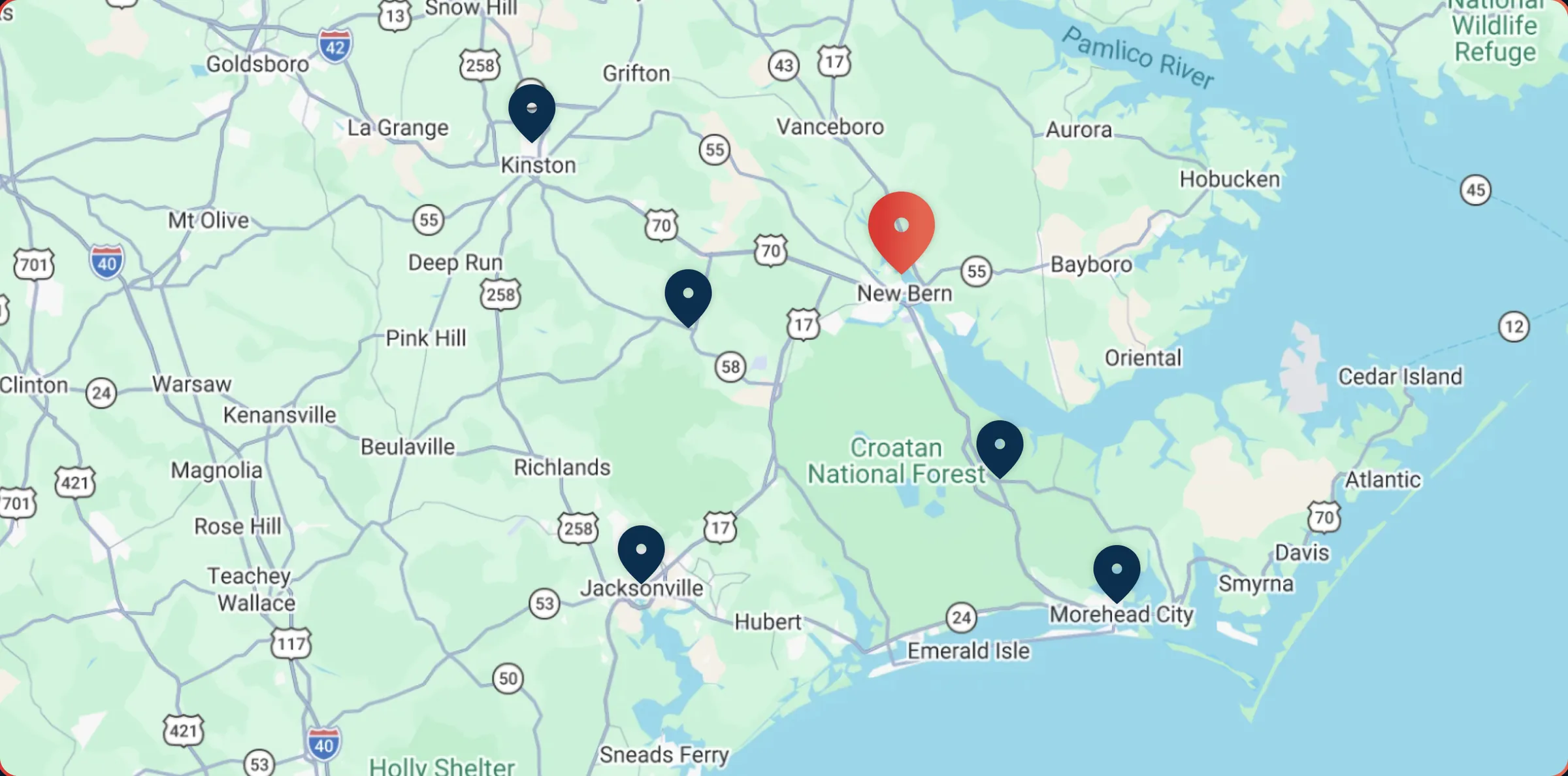
- New Bern, NC
- Morehead City, NC
- Jacksonville, NC
- Havelock, NC
- Trenton, NC
- Kinston, NC
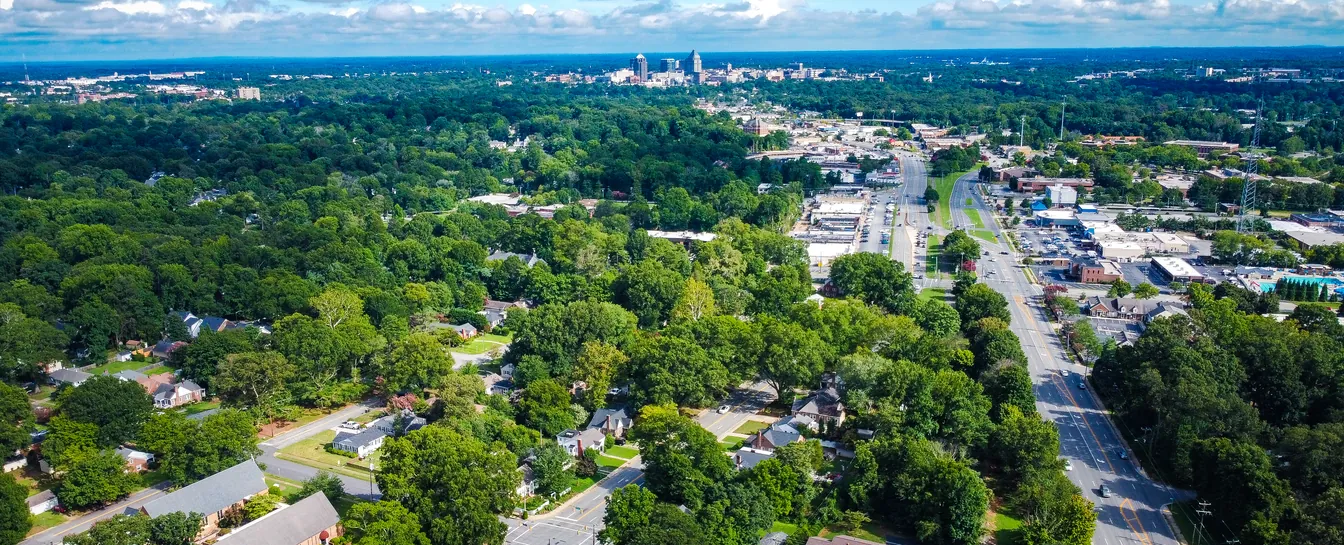
Additional Communities Served
Don’t see your town listed? We regularly help customers in nearby communities throughout the region. Give us a call and we’ll let you know if we can reach you.
Comfort Systems
Explore Our Full Range of Comfort Services
Many manufactured homes benefit from more than one system. These related services may fit your home.
Residential furnaces
Repair, maintenance and replacement planning for furnace systems that heat the home.
Learn More about Residential furnacesMini-split systems
Ductless heating and cooling for rooms that the main ductwork does not reach well.
Learn More about Mini-split systemsIndoor air quality
Filtration, humidity control, UV lights and duct sealing for cleaner, more comfortable air.
Learn More about Indoor air qualityPackage units
Single-cabinet heating and cooling systems for homes that need an all-in-one solution.
Learn More about Package unitsCustom sheet metal fabrication
Custom sheet metal work for ducts and fittings that standard parts may not fit.
Learn More about Custom sheet metal fabrication
A heating or cooling problem in a manufactured home deserves a diagnosis that accounts for the floor, the crawl space and the way the ducts run. Our technicians test the equipment, the ductwork and the controls, then explain what they find in plain language. You will leave with a written record of the readings.
If the diagnosis points toward a larger decision, Service Finance may help spread the cost into manageable monthly payments. Our maintenance plan can also help you keep the heating and cooling in your home on a planned schedule, so developing issues have more chances to be found early.
Whether your home sits in New Bern or in one of the communities we serve nearby, you can explore our full range of services to see how mobile and modular home service fits with the rest of your comfort system. When you are ready, describe what the system is doing and reach out to our team.